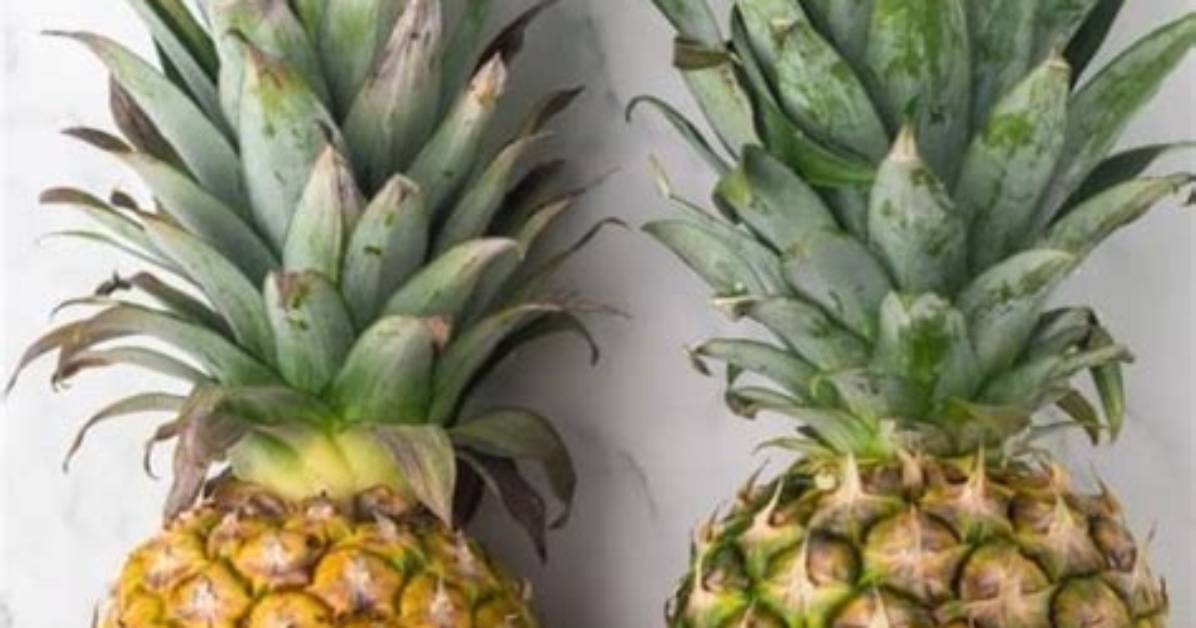
Once you cut into a ripe fruit, you halt the natural barrier protections provided by the thick, waxy perianth segments. Exposure to atmospheric oxygen and airborne bacteria accelerates oxidation and sugar degradation.
Executing a proper fresh fruit produce guide strategy means keeping processing swift. Trim away the outer rind, slice out the fibrous core if preferred, and cube the fruit into bite-sized segments. For immediate consumption, move the pieces into an airtight glass or BPA-free plastic container. Glass preserves clean flavors better because pineapple's high acidity can react with cheaper plastics over several days.
When storing cut pineapple, keep temperatures strictly between 35°F and 39°F (1.6°C to 3.8°C) in the coldest section of your refrigerator. Submersion in its own natural juices prevents the surface of the fruit from drying out. Consume cut pieces within 3 to 5 days for optimal texture. If you notice pooling liquid turning cloudy or carbonated, discard the batch immediately. To hold fruit longer, arrange drained pineapple chunks on a parchment-lined baking sheet, freeze them solid for two hours, then transfer the frozen blocks to a vacuum-sealed freezer bag for up to six months.

