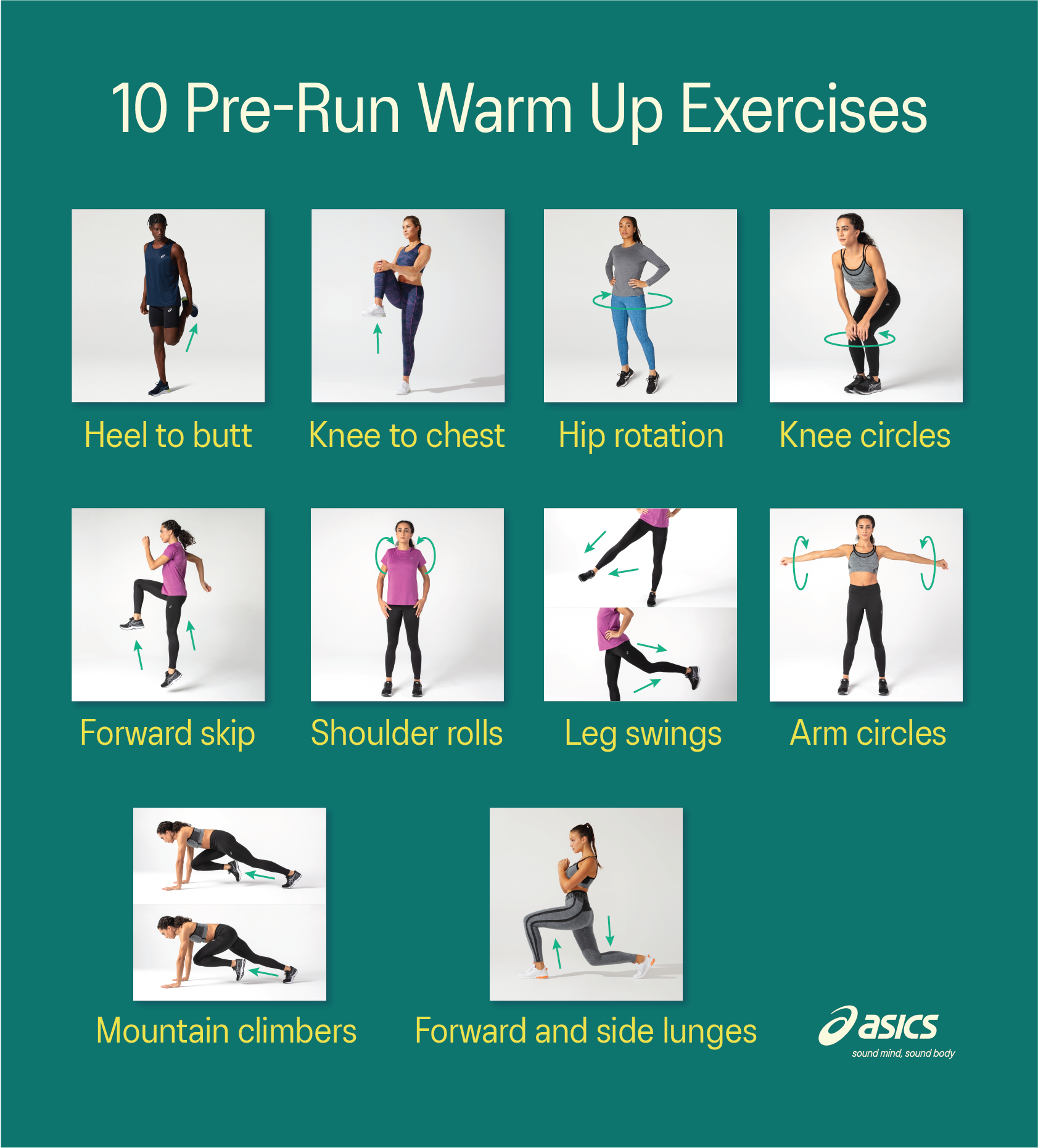
Winter running presents distinct physiological hurdles. Cold air pulls blood away from peripheral limbs toward vital internal organs. Vasoconstriction reduces the supply of warm blood to the achilles tendons, plantar fascia, and calf complexes. If you launch straight into freezing temperatures, connective tissues remain stiff and vulnerable to micro-tearing during the eccentric braking phase of each step.
Outdoor winter conditioning begins in the entryway. Complete dynamic movements inside before stepping onto icy pavement. As endurance guides from Treeline Review emphasize for sub-freezing runs, breaking a light sweat indoors prevents the shock of sharp, sub-zero air on unprepared bronchial tubes. Spend 3 to 4 minutes cycling through bodyweight squats, ankle rotations, and gentle jumping jacks in a hallway. You should feel slight skin warmth before touching the doorknob.
When running in icy conditions, warm ankle stabilizers thoroughly. Uneven, frozen terrain forces rapid, unexpected pronation and supination. Without pre-activation, the peroneal muscles cannot react quickly enough to catch sudden lateral slips, dramatically raising the risk of severe lateral ankle sprains.

