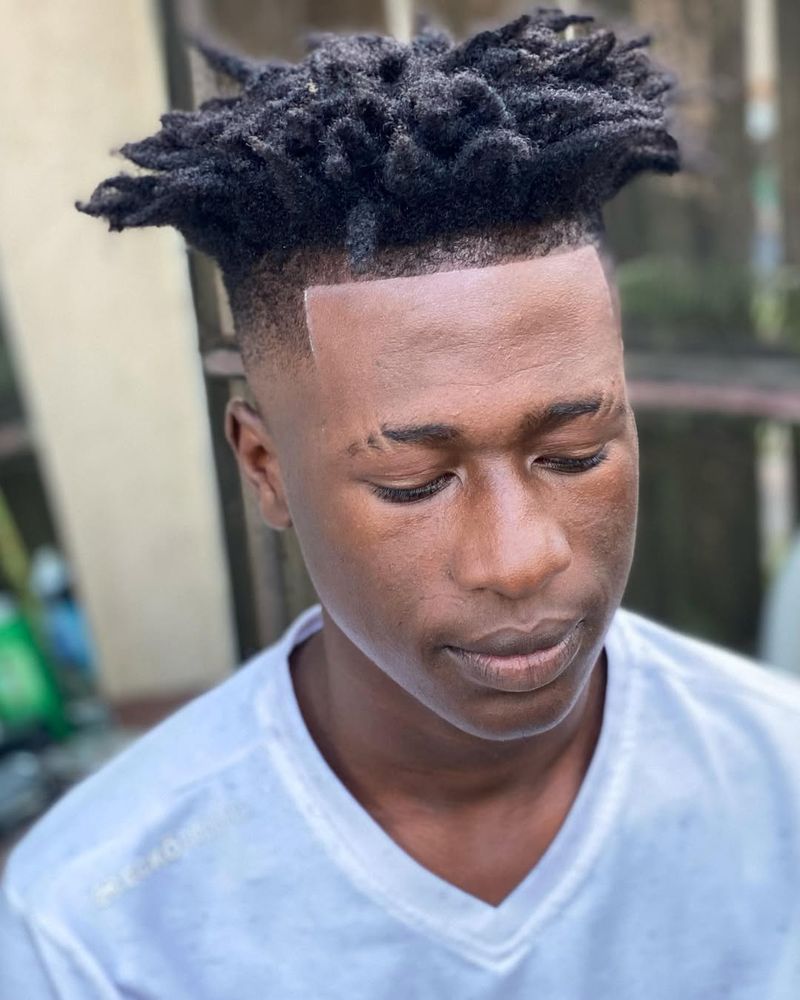
Embracing natural hair textures requires an honest look at your daily lifestyle, workplace realities, and personal grooming patience. Freeform styling does not suit every context.
Ideal profiles include:
- Individuals seeking an authentic, unmanipulated hair journey free from regular salon bills ($80, $200 per visit) and harsh styling products.
- People with sensitive scalps who suffer from traction tenderness, follicular inflammation, or chemical sensitivities to salon gels and waxes.
- Those who embrace fluid, asymmetrical aesthetics and feel comfortable deviating from standardized grooming expectations.
Profiles that carry elevated risk include:
- Anyone in professional or corporate settings with strict, conservative grooming codes that mandate neat, linear parts and uniform loc diameters.
- Swimmers and high-intensity athletes who cannot dedicate 2 to 4 hours under a hooded dryer or bonnet diffuser to thoroughly dry dense congos after water exposure.
- People with active, unmanaged scalp disorders, like severe psoriasis or atopic dermatitis, that demand daily topical applications and medicated ointments.
If freeform techniques clash with your current lifestyle, look into protective styling alternatives. Traditional palm-rolled locs, individual box braids, two-strand twists, and faux loc wraps deliver textural protection while keeping your section patterns under tight control.

