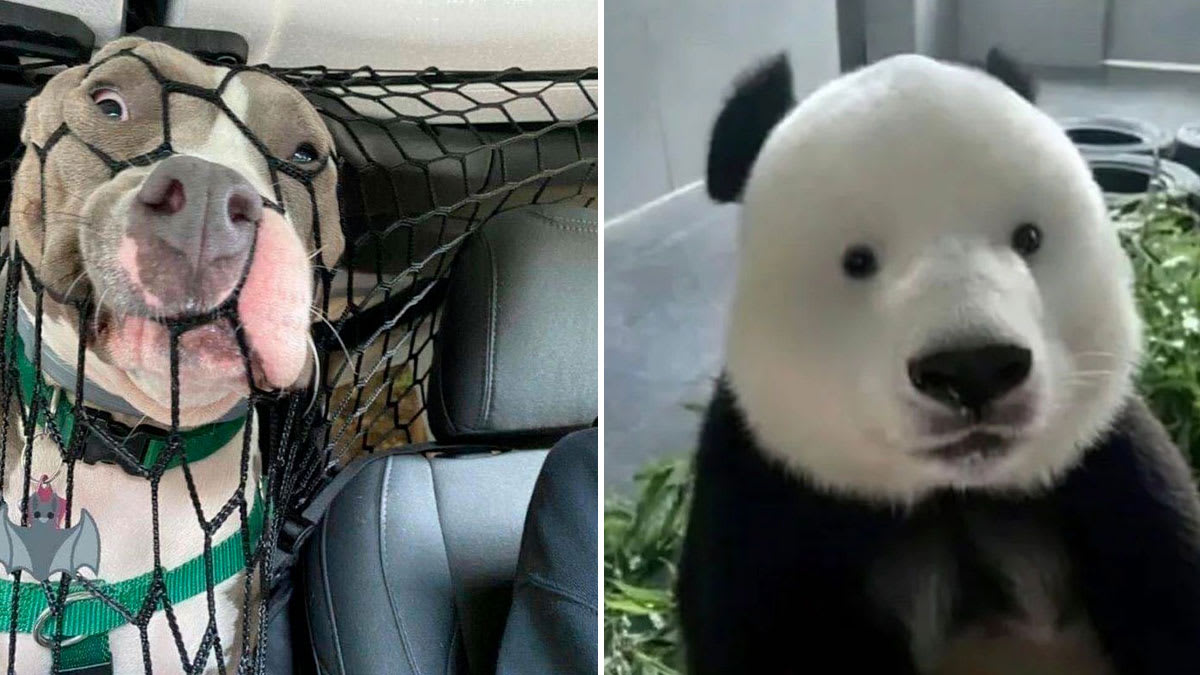
Psychologists and primatologists have long studied the human habit of projecting internal mental states onto other species. Primates occupy a rare biological space: they share roughly 98.8% of our DNA in the case of bonobos and chimpanzees, making their emotional displays uncomfortably familiar.
When an orangutan covers its face in apparent mortification, our mirror neurons fire immediately. We do not register a captive animal reacting to a stimulus; we see our own Sunday-night dread before the work week begins. Absurdist internet humor weaponizes this uncanny valley. By stripping away biological context and viewing the animal through a digital filter, online creators turn everyday behaviors into pure slapstick.
Ethologists point out that many facial expressions read differently in the wild. A chimpanzee displaying a full "fear grimace", pulling back its lips to expose tightly closed teeth, often signals appeasement or acute stress. On social networks, however, that same expression translates universally as awkward social embarrassment. That disconnect between biological reality and internet interpretation fuels the entire genre of low quality animal memes.

