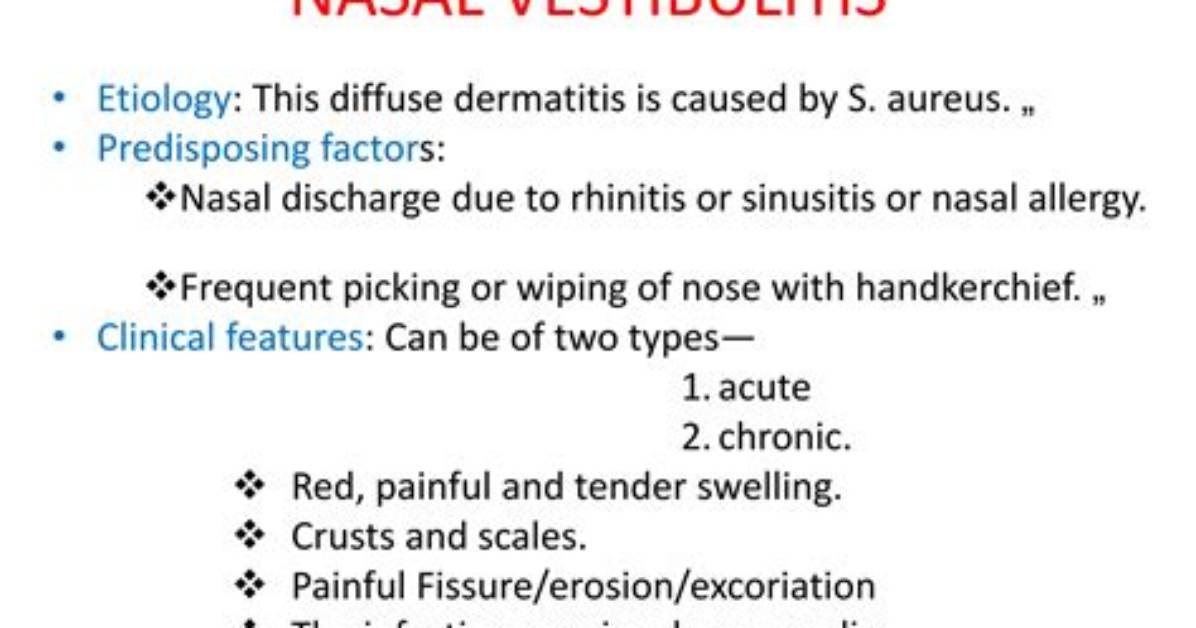
The interior entrance of the nose, known clinically as the nasal vestibule, acts as an environmental buffer. Lined with stratified squamous epithelium, stiff hairs called vibrissae, and sebaceous glands, this tiny chamber transitions abruptly into delicate ciliated respiratory mucosa. This anatomical junction proves fragile. During periods of low humidity, indoor artificial heating, or viral upper respiratory illnesses, dry mucous membranes lose their lubricating surfactant layer, resulting in micro-fissuring of the skin lining.
Once the surface cracks, children instinctively scratch or pick at the rough edges. Clinical research from The Ohio State University Wexner Medical Center underscores that habitual manipulation introduces virulent bacteria directly beneath the epithelial basement membrane. The overwhelming majority of these secondary complications stem from Staphylococcus aureus infection, including community-acquired methicillin-resistant strains (MRSA). The bacteria colonize the exposed base, triggering a cycle of exudative serum leakage, dried hematic crusts, and persistent nasal crusting that adheres tenaciously to the internal cartilage.

