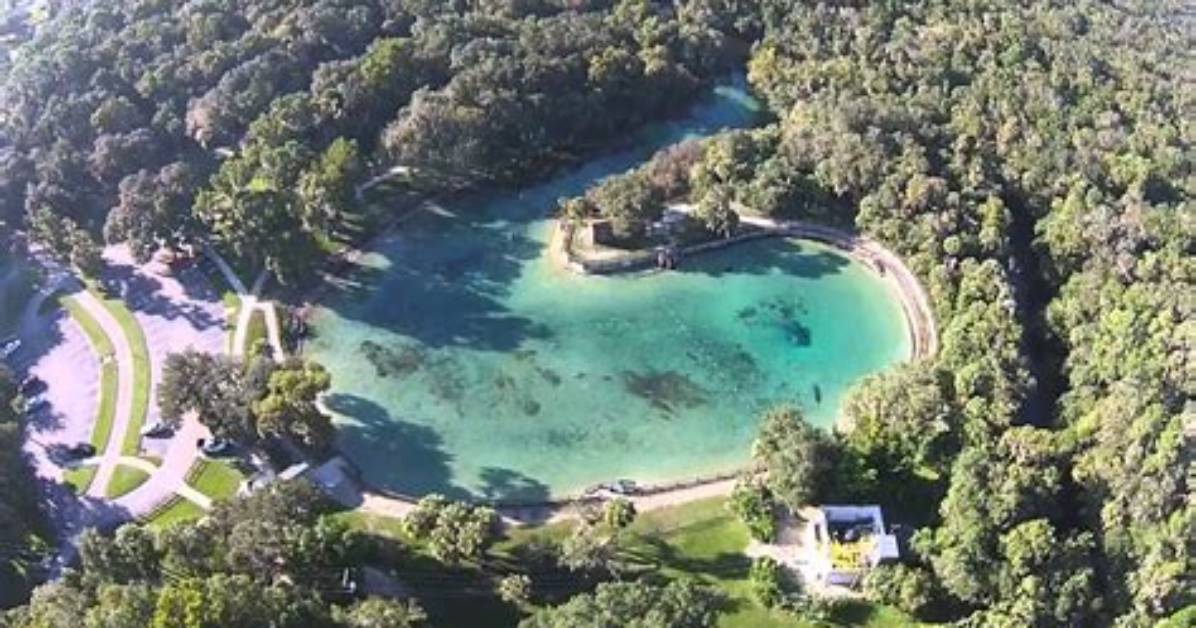
Aerial surveys documented more than just infrastructure damage; they captured how local wildlife reclaimed the wetland margins while human access was paused. White-tailed deer, river otters, and wading bird colonies returned in dense clusters along the park's eastern boundary. Birdwatchers regularly spot limpkins foraging for apple snails along the shallow edges, while barred owls call through the oak canopy overhead.
The park's trail network includes a 3-mile hiking loop that winds away from the water and up into flatwoods and dry hammock environments. Walking these trails gives visitors a clear look at the diverse terrain flanking the river basin. Rebuilt boardwalks now feature raised toe-rails and slip-resistant decking, ensuring stable footing even during humid summer mornings when ground moisture is highest.

