A major development in modern psychopharmacology is combination therapy with Adderall or methylphenidate compounds alongside Intuniv. Rather than viewing stimulants and non-stimulants as mutually exclusive choices, clinicians increasingly use low-dose guanfacine as a biological shock absorber.
Stimulants drive catecholamine release at the front end, giving patients the motivation to begin complex or boring tasks. Yet, high doses often trigger peripheral vasoconstriction, elevated pulse, jaw clenching, and evening insomnia. Adding guanfacine extended release counteracts peripheral sympathetic overactivation.
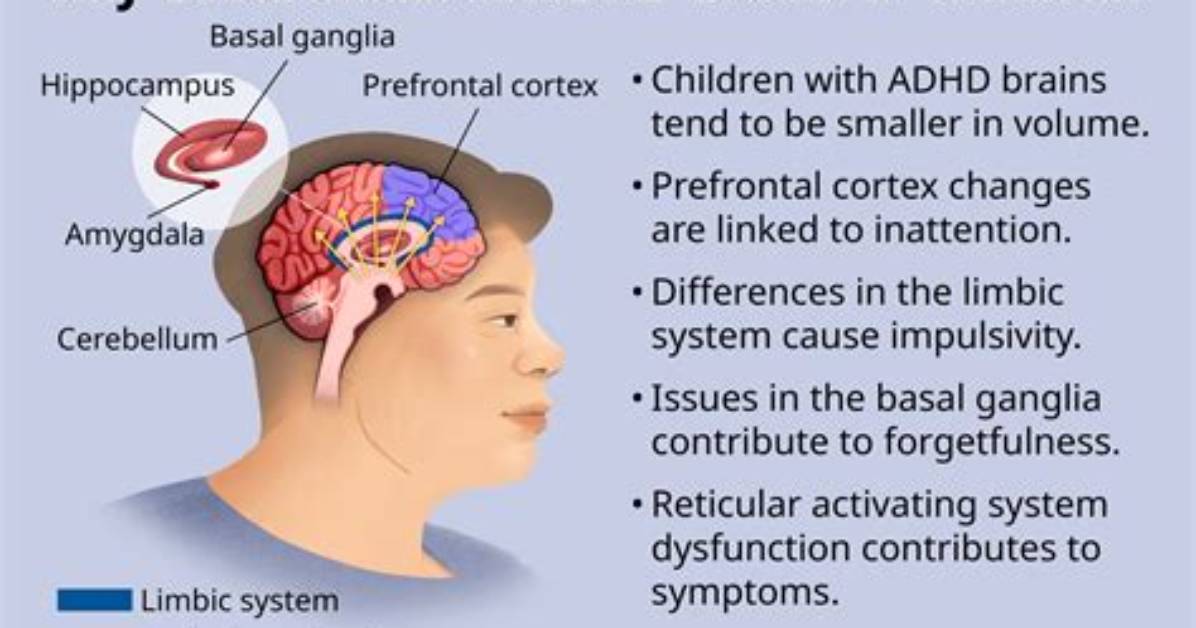
During clinical trials evaluating combination therapy, co-administration allowed prescribers to maintain patients on lower baseline stimulant dosages while achieving equivalent or superior behavioral control. The evening crash, often characterized by sudden irritability and executive paralysis, flattens out. Intuniv sustains prefrontal cortex signaling well into the evening hours, helping patients manage unscripted home environments, homework, and nighttime routines.

