For over a century, the 600-acre basin along the Scioto River was an industrial extraction zone barred to the general public. Marble Cliff Quarries pulled millions of tons of limestone out of these massive rock pits to construct state capitol foundations, roadbeds, and commercial towers. When industrial operations wound down, Columbus sat on an unprecedented expanse of raw, fractured geological terrain just 15 minutes west of Downtown.
Transforming post-industrial devastation into an active metro park required staggering capital investments. Engineers reshaped rock escarpments to install North America’s first urban via ferrata, constructed singletrack mountain bike runs, and brought a 25-foot waterfall into recreational focus. The urban-park initiative caught regional recognition when Columbus Business First named Quarry Trails the 2024 Building Columbus Awards Project of the Year, cementing its status as the city's marquee infrastructure triumph.
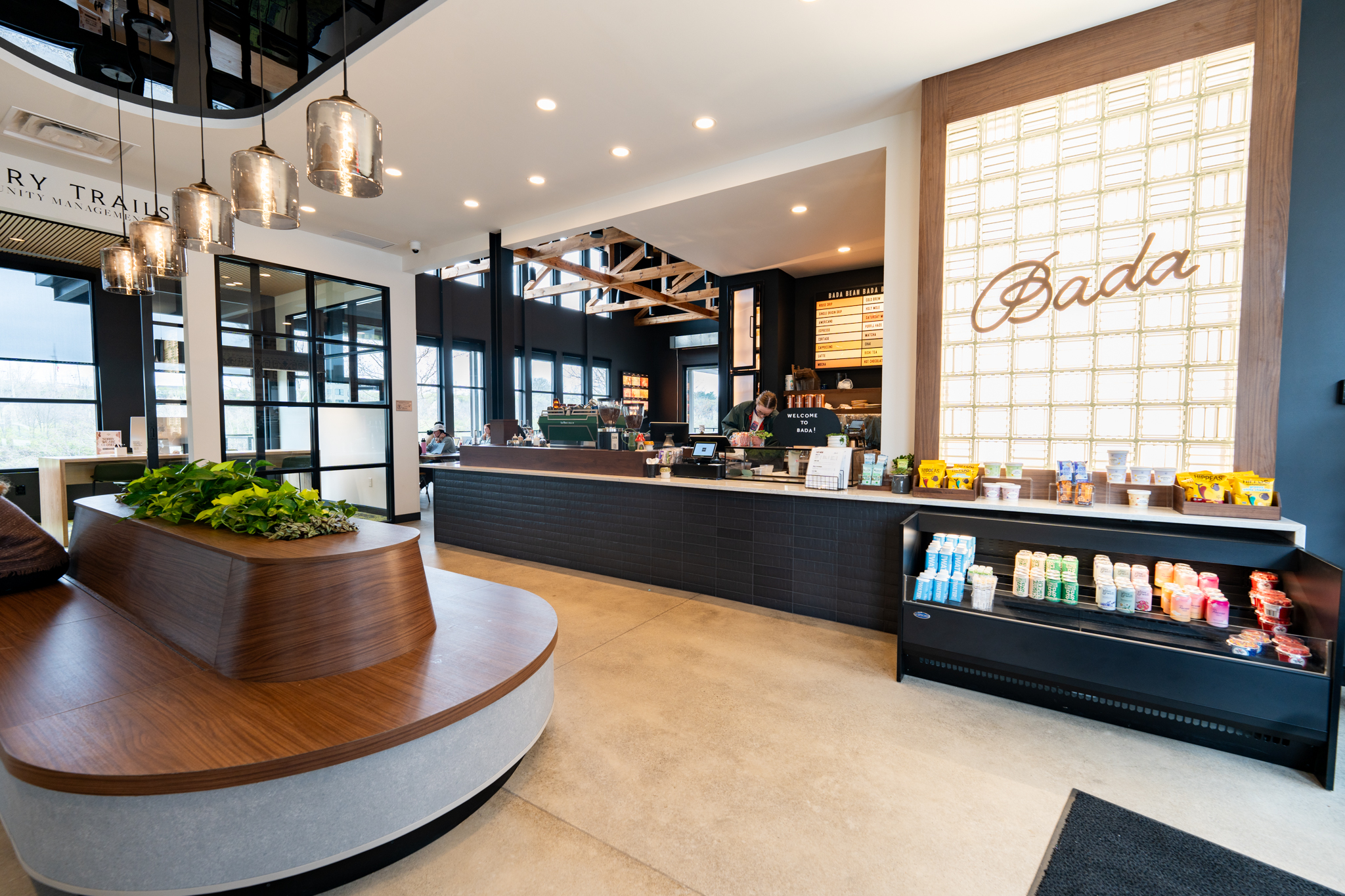
Civic infrastructure alone rarely keeps a public district bustling past sundown. Residential flats and townhomes rose around the perimeter, yet early residents faced an amenity vacuum along Trabue Road. The park required a cultural living room that could bridge active morning athletes and evening social gatherings without isolating either group.

