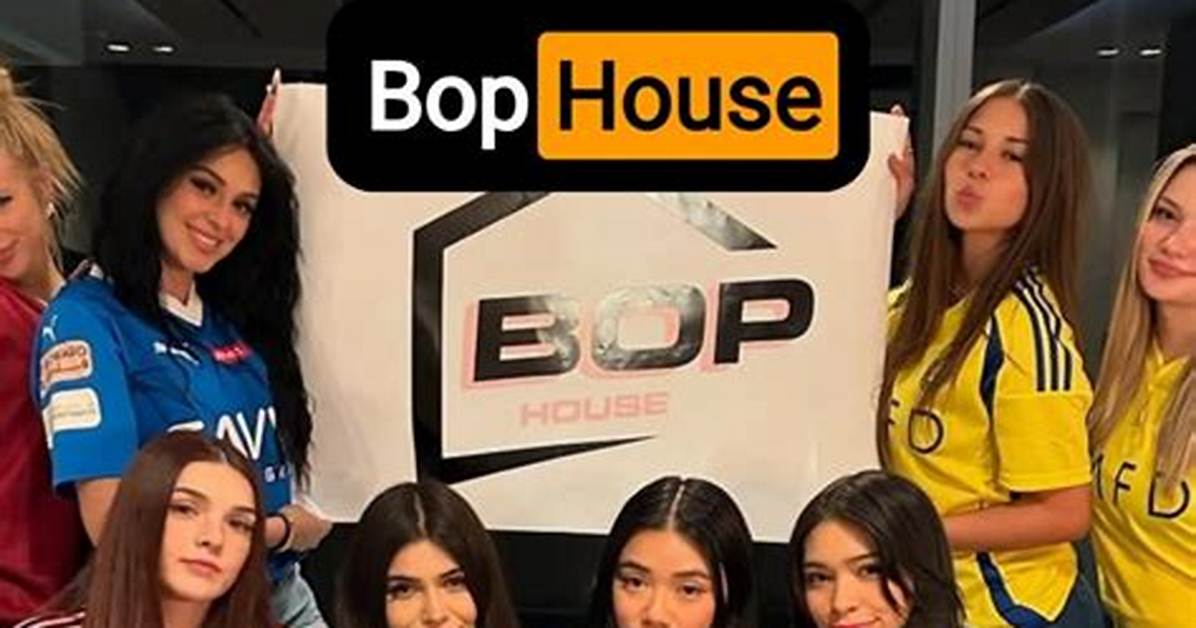
The concept was straightforward: gather internet-famous women with massive TikTok and Instagram footprints, house them under one roof in South Florida, and convert mainstream social traffic into paying subscribers on platforms like OnlyFans. Modeled loosely after early-generation houses like Team 10 and the Hype House, Bop House adapted the model for the adult creator economy. As documented by outlets like ELLE Australia, the house brought together personality-driven viral culture and direct-to-consumer adult entertainment, generating tens of millions of views across algorithmic feeds.
The economics were staggering from the start. Individual members routinely commanded viral visibility on TikTok, racking up hundreds of millions of impressions simply by dancing together or posting comedic skits in matching outfits. That top-of-funnel reach channeled millions of dollars into direct subscription accounts. Between late 2024 and early 2025, industry analysts estimated the house's roster collectively generated millions of dollars per month in gross earnings, turning the property into a high-octane production studio.
Yet the sheer velocity of the operation created instant vulnerabilities. Bringing independent digital entrepreneurs together under a unified corporate brand requires clear governance. Instead, Bop House operated in a gray area where informal friendships clashed with rigid management contracts, production schedules, and conflicting business ambitions.

