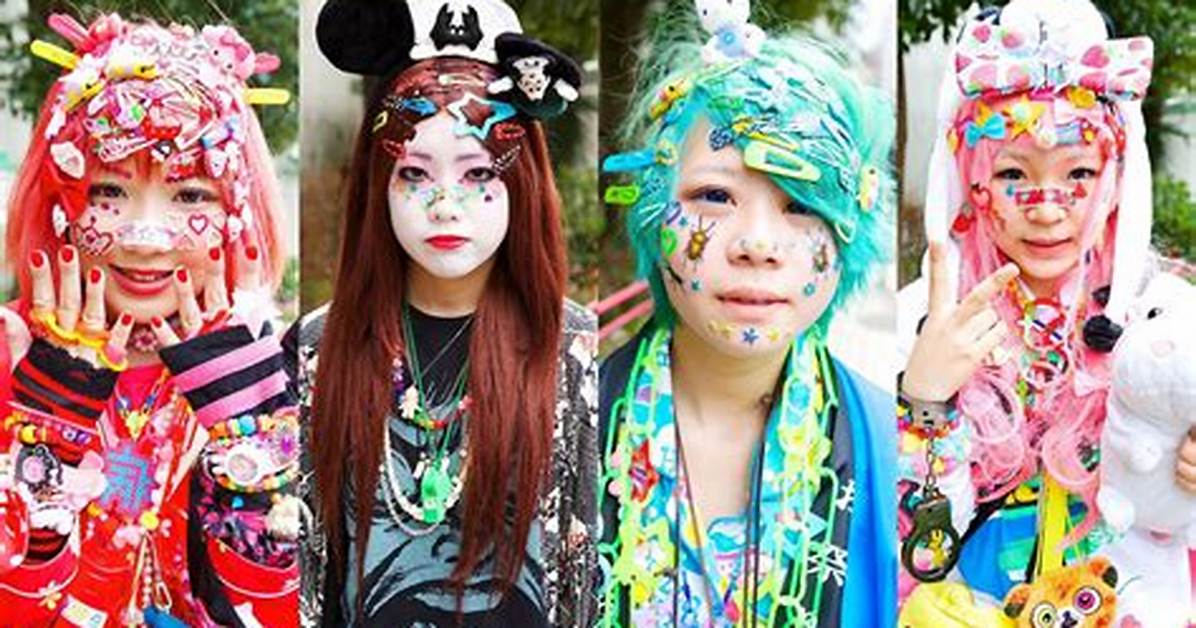
Decora kei did not emerge from corporate design studios. It detonated on the pedestrian pathways between Harajuku Station and Yoyogi Park in the late 1990s. Spearheaded by figures like pop icon Tomoe Shinohara and documented in the raw street photography of Shoichi Aoki’s FRUiTS magazine, the subculture discarded the brooding gloom of visual kei and the hyper-sexualized tones of kogal fashion. Participants piled dozens of plastic hair clips into their bangs, layered loud patterned socks over tights, and hung toy instruments around their necks. The core philosophy was additive: more was always better, and joy was non-negotiable.
By the time physical Harajuku street gatherings began thinning in the mid-2010s, the visual language migrated online. Digital illustrators on platforms like Pixiv and Tumblr realized that the same layering principles could reframe legacy animation stills. Editors took screencaps of characters from Sailor Moon, Neon Genesis Evangelion, or Cardcaptor Sakura and treated the original artwork like a mannequin. They added digital band-aids across noses, stamped glitter stars on cheekbones, and stacked cartoon barrettes until character hair resembled a candy shop display shelf.
That subcultural DNA has crystallized into a distinct genre of computer customization. Modern creators no longer settle for static screencaps. They build custom high-resolution kawaii fanart that treats the user interface as an evolving art board, merging vintage Japanese street rebellion with contemporary software design.

