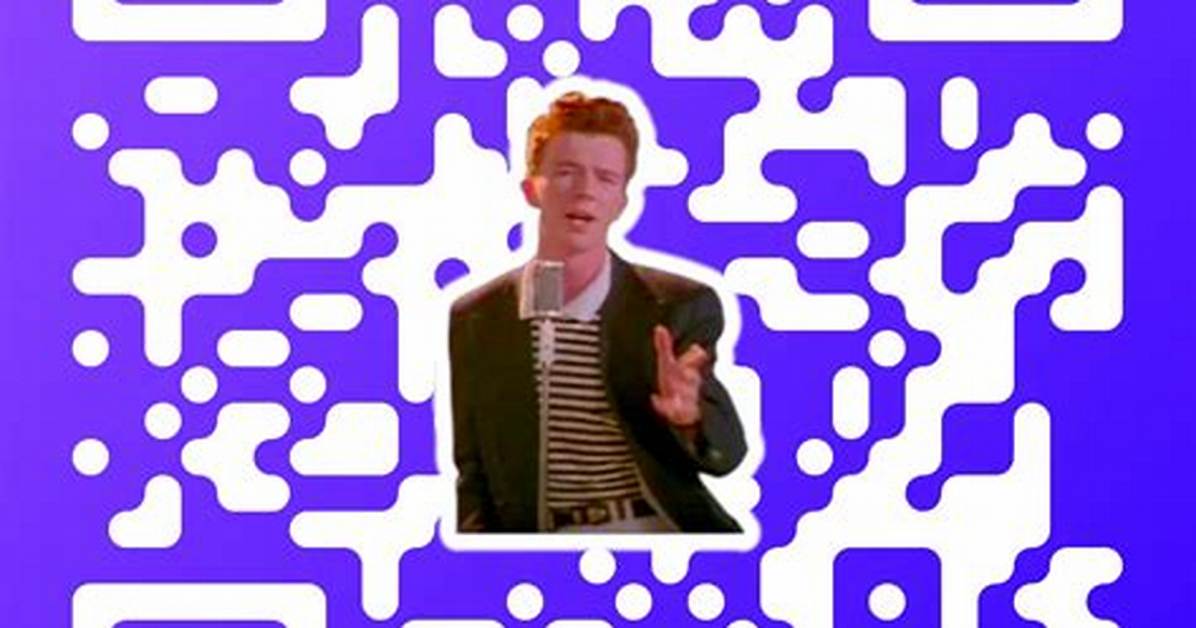
The immediate screen takeover depends entirely on the prankster’s intent and the specific prank QR code generator used to stamp out the graphic. In roughly 70% of public incidents logged across community forums like Reddit’s r/mildlyinfuriating and TikTok prank compilations, the destination is an undiluted Rickroll QR code. The scanned graphic initiates a hidden URL redirect that bypasses standard link previews, routing straight through a YouTube or TikTok deep-link to trigger Rick Astley's music video with zero buffering delay.
Yet internet humor rarely settles for a single routine. A growing segment of troll creators deploys jumpscare QR link destinations. These pages load innocent-looking loading wheels or fake system update bars before suddenly detonating high-pitched screamer audio alongside jarring graphics. Other variations weaponize custom meme QR code redirects, launching loop clips of the infamous "spinning chip," ear-splitting trap remixes of children's songs, or hyper-specific regional reaction memes that make zero sense outside certain Discord servers.
The screen behavior relies on smart redirection. When a phone camera decodes the barcode pattern, modern operating systems display a brief preview domain. Creators counter this transparency by running destination links through nested URL shorteners or dynamic routing services. The victim sees an innocuous string like tinyurl.com/cafe-guest-wifi, taps without second thought, and triggers a cascading redirect sequence that ends in pure comedic chaos before the browser can even render an address bar.

