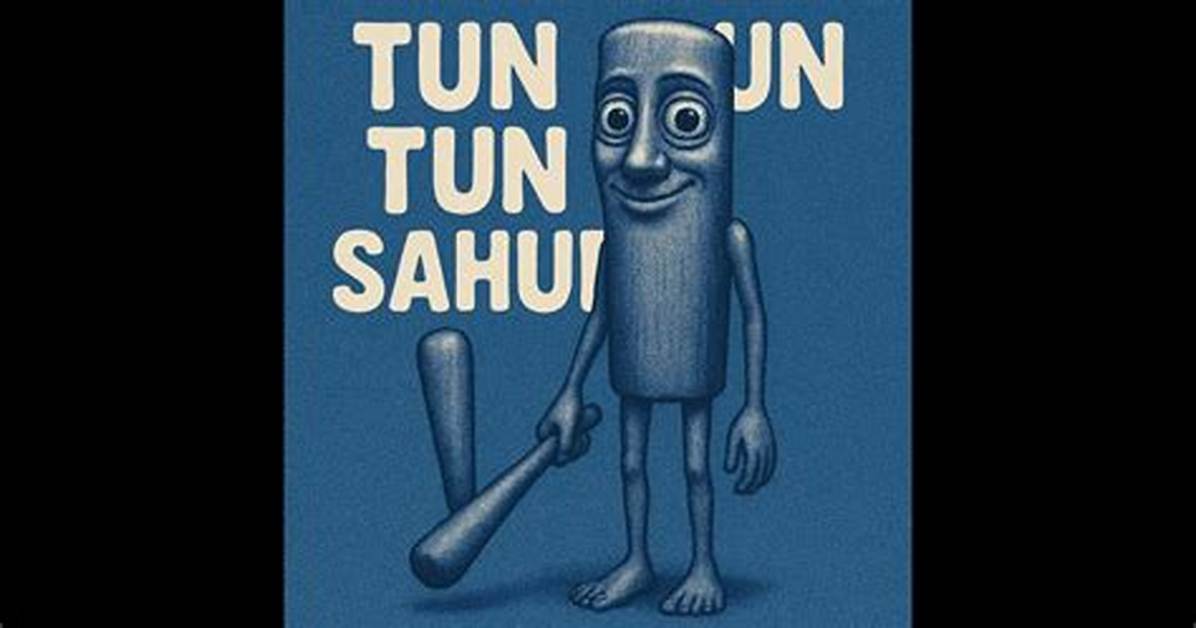
The trajectory of "Tun Tun Tun Sahur" demonstrates how folk percussion operates as frictionless fuel for digital platforms. Language is a barrier; rhythm is an open door.
When a vocal track travels internationally, it relies on shared linguistic comprehension or heavy emotional signaling. Percussive memes bypass cognitive filtering completely. The physical cadence of the bamboo kentongan activates instinctual human motor responses. Listeners tap their desks or nod their heads before they consciously process what they are hearing.
This same mechanic fueled the rise of the Finnish polka "Ievan Polkka" via the cat vibing meme in 2020 and the historical South Asian explosion of Daler Mehndi's "Tunak Tunak Tun," which digital archivists note became an international phenomenon largely because its rhythmic delivery allowed internet users to imprint their own humor over foreign cadences.
"Tun Tun Tun Sahur" operates under the exact same dynamic. It provides immediate structural tension followed by explosive percussive release. Whether a creator in London understands the Islamic calendar or has never heard of Java, the acoustic architecture works on pure instinct.

