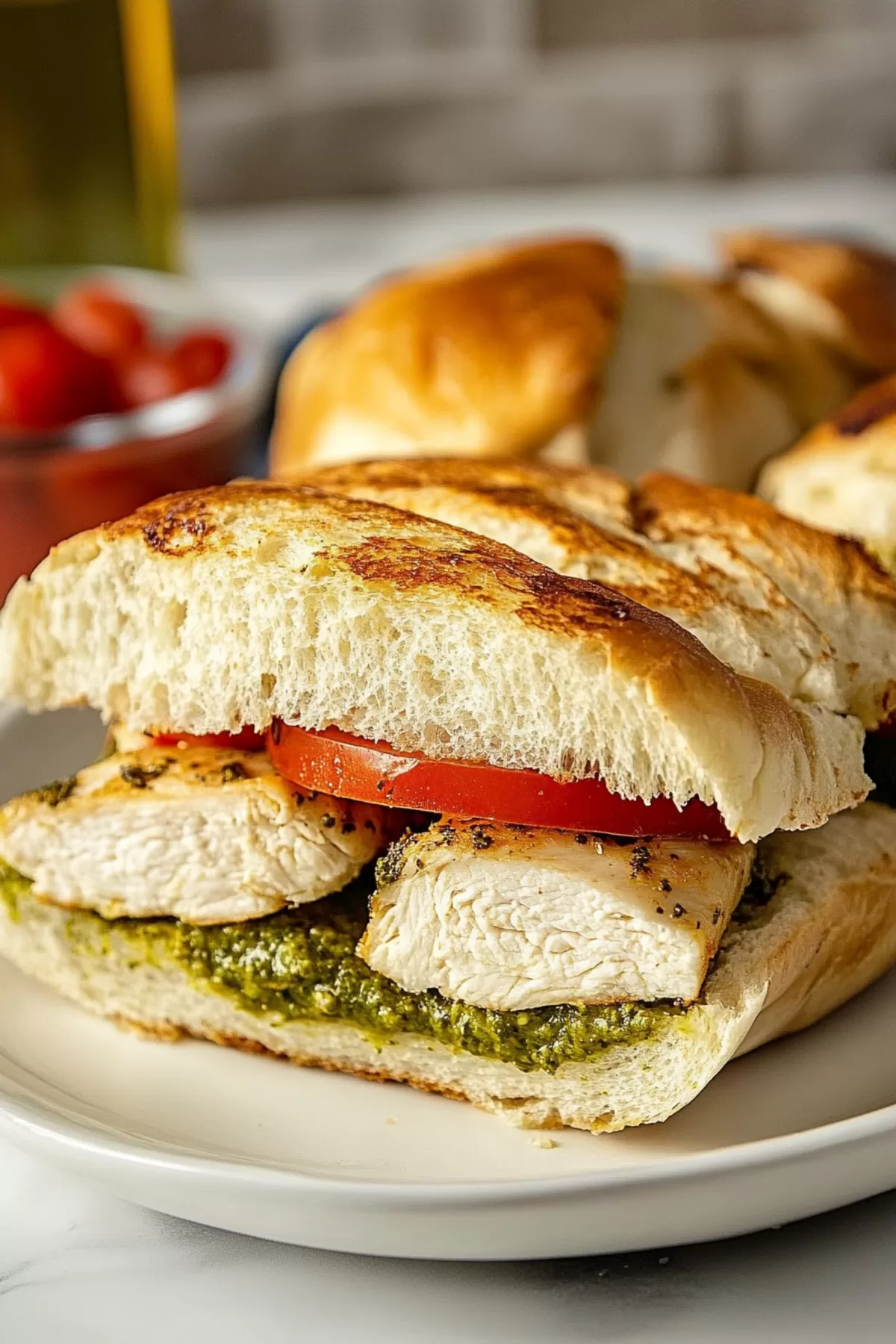
Looking purely at muscle recovery metrics, the combination delivers an undeniable punch. A whole, unadulterated grilled chicken breast provides between 35 and 45 grams of complete protein alongside negligible dietary fat. For strength athletes and office workers prioritizing satiety, this foundation establishes an ideal high protein lunch.
The friction emerges when auditing the full calorie breakdown. In an average 250-gram commercial panini, protein provides only 20% to 25% of total caloric energy, while fats routinely claim 45% to 55%, and carbohydrates supply the remainder. Anyone engaged in strict macro tracking will find their daily fat allocation strained by 1:00 PM.
The volume of poultry also varies wildly across restaurant chains. Budget-conscious operations frequently reduce the chicken breast to a thin 3-ounce cutlet while doubling the cheaper cheese and oily condiment layers to maintain sandwich thickness. In these scenarios, the expected protein density collapses, leaving the consumer with an unbalanced ratio heavily skewed toward refined carbs and fats.

