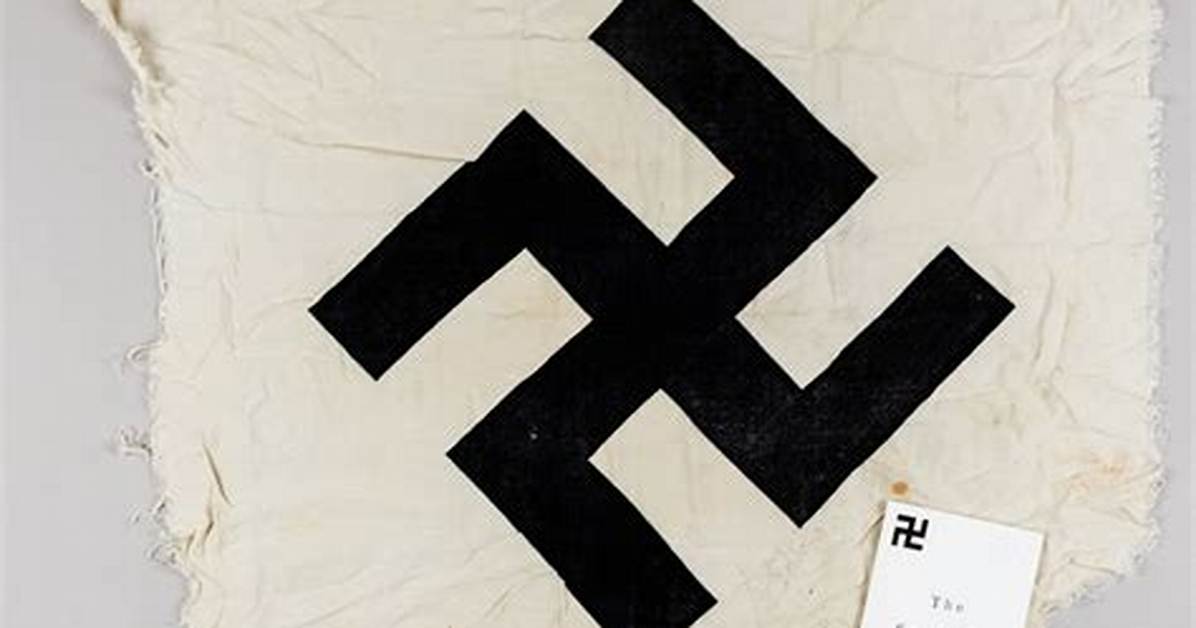
Computers do not understand ideology; they process numerical encodings. When a user copies what appears to be a swastika from a website, they are copying a standardized text element from the Unicode Consortium database. The standard includes two distinct characters: Unicode character U+534D (the left-facing version, historically known as the sauwastika left-facing cross) and Unicode character U+5350 (the right-facing variant).
Neither glyph was added to Unicode to represent twentieth-century totalitarianism. Instead, the consortium integrated both into the CJK unified ideographs block during the early 1990s to support East Asian languages. In Japanese, U+534D is read as manji, an ancient symbol marking Buddhist temples across centuries of historical literature. In Chinese, it is pronounced wàn, representing eternity and cosmic harmony. In India, both left and right orientations have symbolized auspiciousness, good fortune, and sacred rituals across Hinduism, Jainism, and Buddhism for over four millennia.
Because the Unicode Consortium operates on linguistic completeness rather than political censorship, omitting these characters would break digital text processing for millions of historical, religious, and literary texts across Asia. Consequently, the characters sit readily accessible inside operating systems, keyboards, and font libraries worldwide.

