The regulatory tremor shaking the beauty industry originated in Brussels. The European Union implemented Regulation (EU) 2024/197, reclassifying diphenyl(2,4,6-trimethylbenzoyl)phosphine oxide, commonly known as TPO, as a Category 1B reproductive toxicant. Under European cosmetic frameworks, any chemical receiving this CMR designation faces an immediate phase-out. The mandatory cut-off date banned products containing TPO from commercial shelves and European salon stations.
TPO functions as a photoinitiator. When exposed to specific wavelengths emitted by a UV LED lamp, photoinitiators absorb light energy and release free radicals. These free radicals trigger a rapid chain reaction, converting liquid monomers and oligomers into a rigid, durable polymer network. TPO was long favored by cosmetic chemists because it cures rapidly, resists yellowing, and ensures deep cures in thick, opaque builder gels.
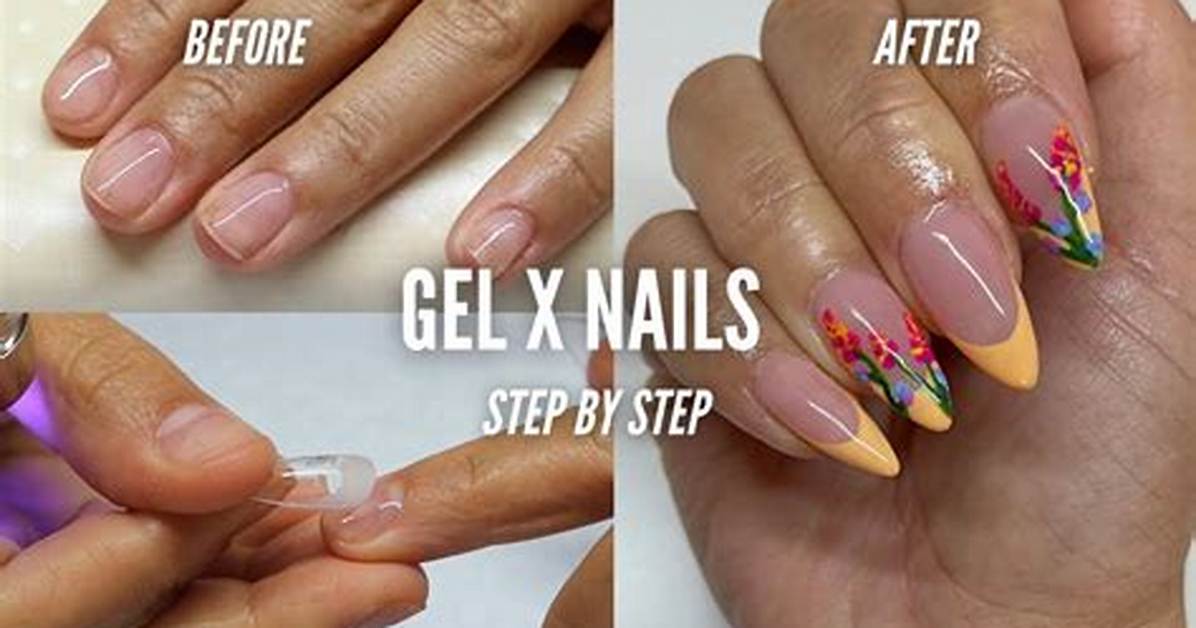
The ban ignited immediate panic across North America and the UK. Social feeds conflated the specific prohibition of TPO with a blanket ban on all gel enhancements. Gel-X tips are not liquids. They arrive at salon desks as pre-polymerized, fully cured plastic extensions made from flexible gel formulas. The regulatory action does not prohibit the tips. Instead, it directly targets the liquid bonding adhesives, base coats, and colored gel polishes required to anchor those tips to the natural nail plate.

