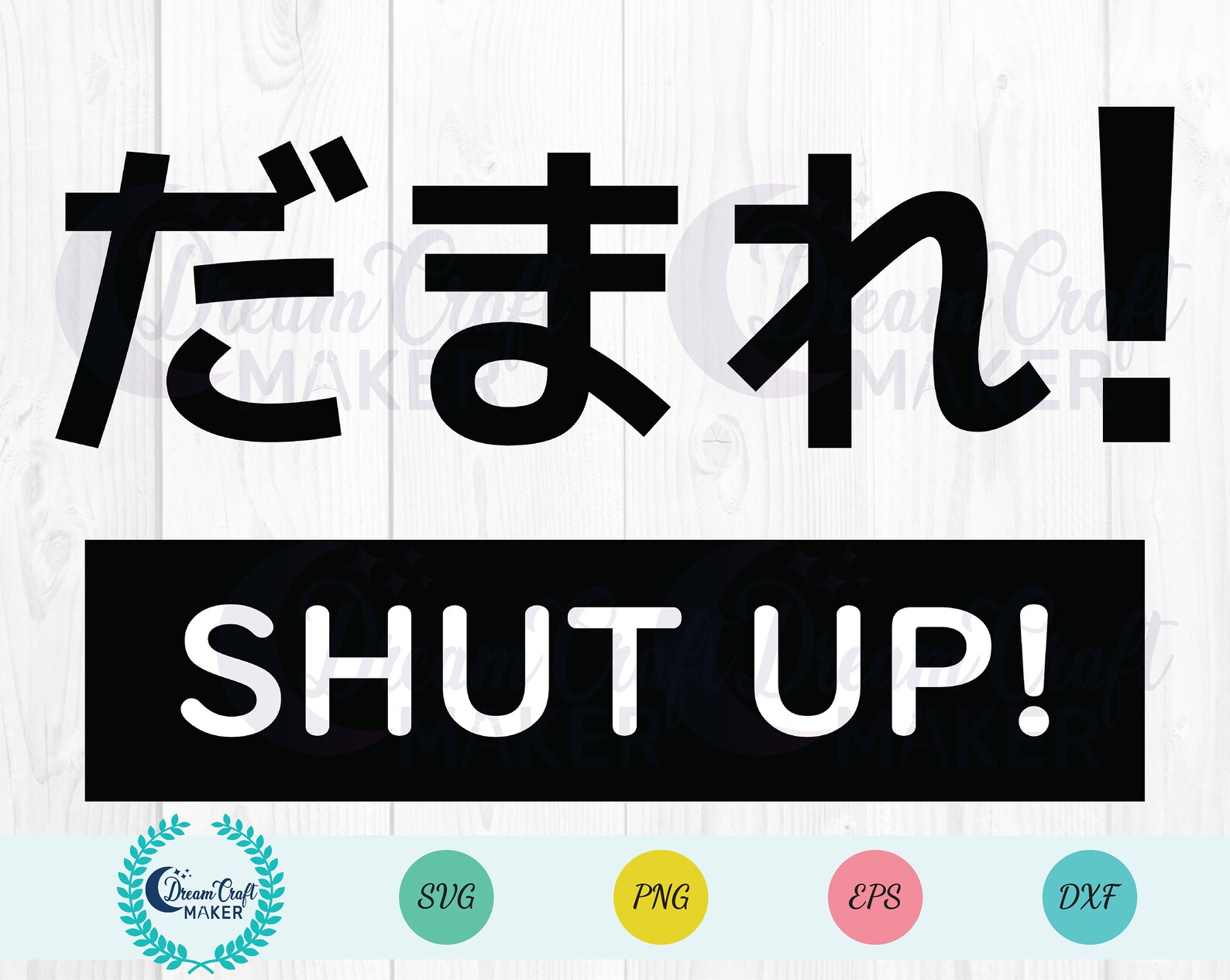
Pop culture exports have distorted how foreign audiences perceive common conversational friction. In fictional worlds, antiheroes establish dominance by dismissing companions with caustic remarks. Real speech patterns follow a rigorous hierarchy built on honorifics and relational distance. Using harsh speech in everyday scenarios guarantees reputational damage. The table below outlines how Japanese expressions for quiet range from raw confrontation to ultra-polite boardroom diplomacy.
| Japanese Expression | Literal Translation | Register & Politeness Level | Typical Real-World Context |
|---|---|---|---|
| Damare (黙れ) | Shut up / Be silent | Imperative / Highly Aggressive | Heated physical disputes, bar fights, fictional battle scripts. |
| Urusai / Urusee (うるさい / うるせえ) | You are loud / Annoying | Informal / Hostile Slang | Sibling arguments, close male peer ribbing; hostile toward strangers. |
| Shizuka ni shite (静かにして) | Be quiet / Make it quiet | Plain Request / Familiar | Parents speaking to children, long-term romantic partners at home. |
| Shizuka ni kudasai (静かにしてください) | Please be quiet | Standard Polite (Teinei) | Classrooms, library attendants, train staff addressing commuters. |
| Oshizuka ni o-negai dekimasu ka | Could we humbly request your quiet? | Honorific (Keigo) | Hospital wards, traditional tea ceremonies, corporate presentations. |

