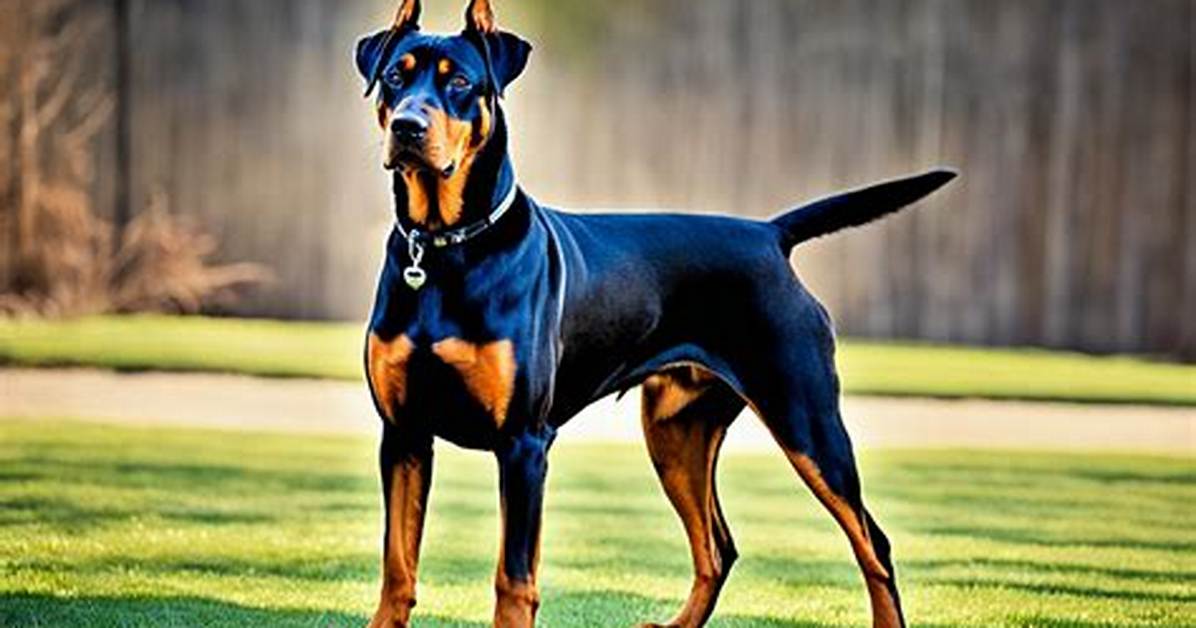
Training a Rotterman requires abandoning harsh correction-based models while steering clear of passive permissiveness. These dogs possess exceptional cognitive processing speed inherited from the Doberman and a distinct stubborn streak inherited from the Rottweiler. If you use physical intimidation during training, a Rotterman may shut down, lose trust, or eventually offer a defensive counter-response. If you set zero boundaries, the dog will happily step into the leadership vacuum.
Structured socialization does not mean introducing your puppy to fifty strange dogs at a chaotic dog park. True socialization training teaches neutral coexistence. The puppy must learn to sit quietly outside a bustling coffee shop, watch runners sprint past without breaking focus, and ignore unfamiliar dogs barking across the street. Developing this mental threshold takes months of consistent repetitions across diverse urban, suburban, and rural environments.
Equally critical is fulfilling their exercise and mental stimulation thresholds. A twenty-minute leash stroll around the block barely registers for a healthy Rotterman. Without outlet channels like scent work, structured obedience, tracking, or canicross, unspent mental energy turns inward. The dog becomes hyper-reactive to ambient noise, vocalizes persistently, or tears through household furniture. Expect to commit 90 to 120 minutes each day to combined physical exercise and cognitive tasks.

