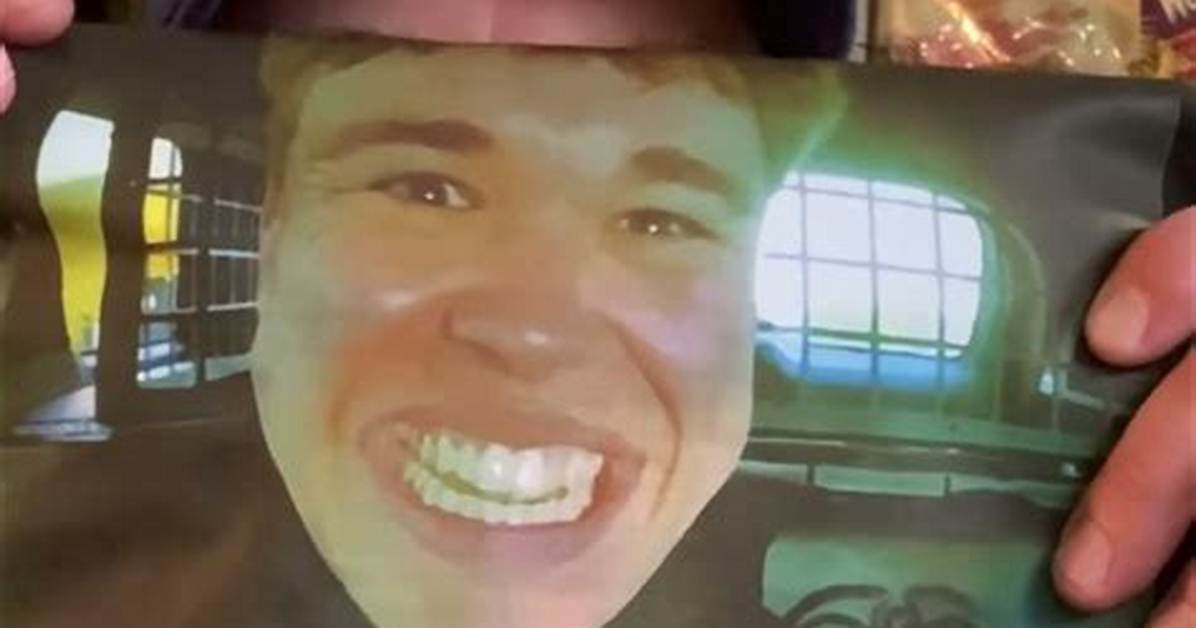
Street-level comedy thrives on identity. Fans do not just want to watch Beyer walk into corporate retail spaces with a megaphone; they want to signal that they are in on the joke. That social currency turned YouTube prankster apparel into a lucrative frontier. Following the playbook pioneered by crews like Nelk and Danny Duncan, modern creators treat clothing as limited edition streetwear rather than disposable concert swag.
Beyer took a distinct path. Instead of maintaining a permanently stocked retail website with endless inventory, he opted for sporadic, hype-driven releases. When a clothing line drop goes live, it sells fast. Hoodies and graphic tees disappear within hours. That deliberate scarcity fuels demand, but it creates a massive structural vulnerability. When thousands of teenage and college-age fans search the web for gear between official drops, search engine algorithms happily route them directly into the hands of bootleggers.

