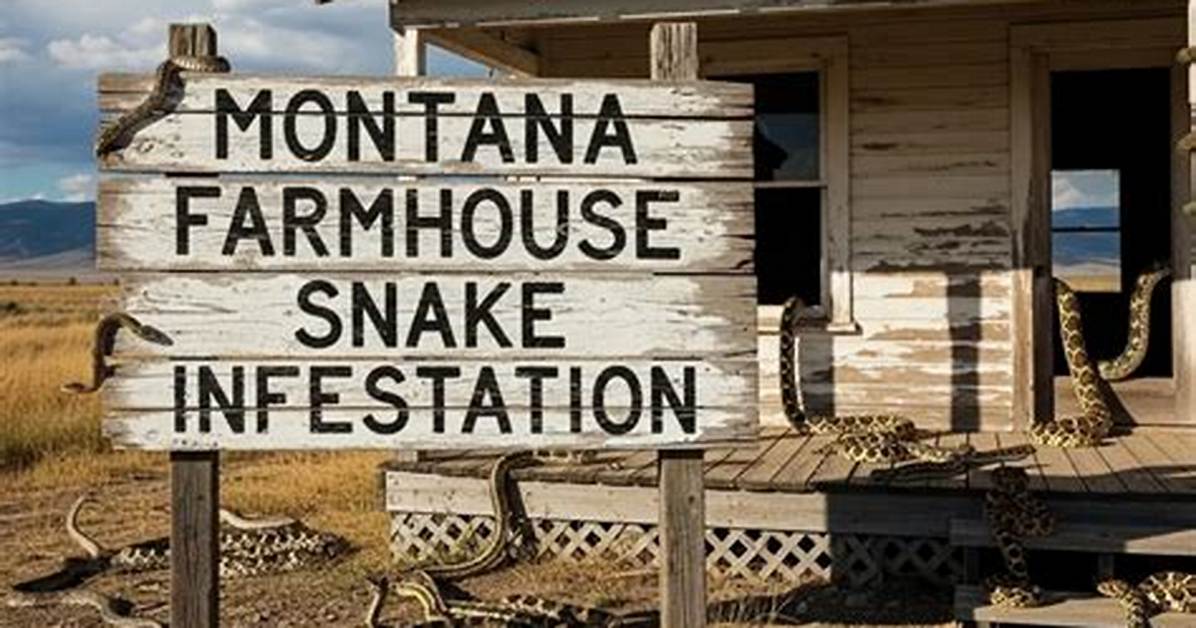
The viral episode highlighted a widespread blind spot among buyers purchasing rural homes. Standard home inspectors look for structural stability, roof integrity, and basic plumbing compliance, but they rarely evaluate wildlife intrusion points during warm summer months when snakes are hunting out in fields.
Prospective buyers looking at older rural structures should look for specific structural warning signs before closing:
- Loose Stone Stem Walls: Inspect basement perimeters with a strong work light. If mortar flakes away like dry breadcrumbs under a screwdriver tip, entry gaps exist.
- Shed Skins in Subfloor Insulation: Fiber glass insulation batts stapled under subfloors provide warmth and safety. Check sagging corners for brittle, transparent shed skins.
- Heavy Local Rodent Activity: Snakes do not colonize crawl spaces lacking a food chain. Visible mouse droppings or vole burrows around exterior footings signal accessible pathways.
- Uncovered Crawl Space Vents: Standard 1/4-inch hardware cloth keeps snakes out. Corroded, rusted, or missing vent grates leave pathways wide open.
Properties bordering undisturbed prairie, riparian corridors, or rocky outcroppings carry inherently higher wildlife density. Living harmoniously alongside native fauna requires proactive building maintenance rather than reactive panic.

