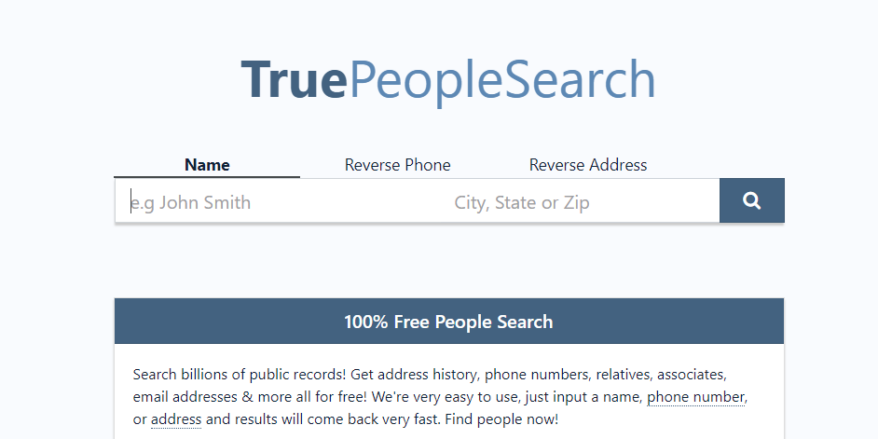
Understanding how free aggregators handle privacy requires examining how they gather and display consumer data relative to their competitors. The following matrix contrasts the prominent search engines active in 2026:
| Platform | Upfront Data Access | Opt-Out Processing Window | Primary Scam Vector |
|---|---|---|---|
| TruePeopleSearch | 100% Free (Unrestricted phone, address, kin) | 24, 72 hours (Online form) | Spear-phishing, family-impersonation scams |
| FastPeopleSearch | 100% Free (Unrestricted contact history) | 24, 48 hours (Online form) | Automated robocalling, credential harvesting |
| Whitepages Free | Partial (Names & street; numbers behind paywall) | 48, 96 hours (Verification call needed) | Physical harassment, junk-mail distribution |
| Radaris | Freemium (Aggressive public teaser data) | 48 hours (Requires email confirmation) | Corporate profiling, executive doxxing |
The absence of paywalls on TruePeopleSearch elevates its profile among criminal enterprises. Paid platforms track credit card transactions, creating digital paper trails that deter bulk data harvesters. Free platforms provide an anonymous canvas for scripts that harvest thousands of personal phone numbers overnight.

