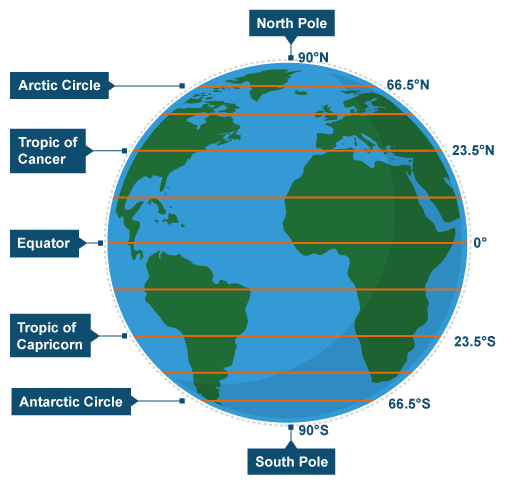
High-latitude aviation leaves zero room for instrumentation failure. When a regional air ambulance transport encountered sudden communication loss near sub-polar flight corridors, ground coordinators were forced to rely on fragmented emergency locator transmitter (ELT) pings across thousands of square miles of unforgiving terrain. Operating below the 50th parallel south introduces unique hazards: savage katabatic winds, rapid barometric drops, and satellite coverage that thins dramatically as flight paths approach polar latitudes.
Emergency responders face extreme logistical drag in these sectors. Standard VHF radio relays degrade quickly over glacial topography, leaving aircraft dependent on high-frequency channels and sparse Iridium satellite bursts. Search teams deployed long-range patrol planes equipped with synthetic aperture radar to sweep coordinate grids, contending with low ceilings and freezing sea spray. The operation underscores how fragile transit corridors remain in the southernmost inhabited fringes of the globe, where geographic coordinates dictate survival margins.

