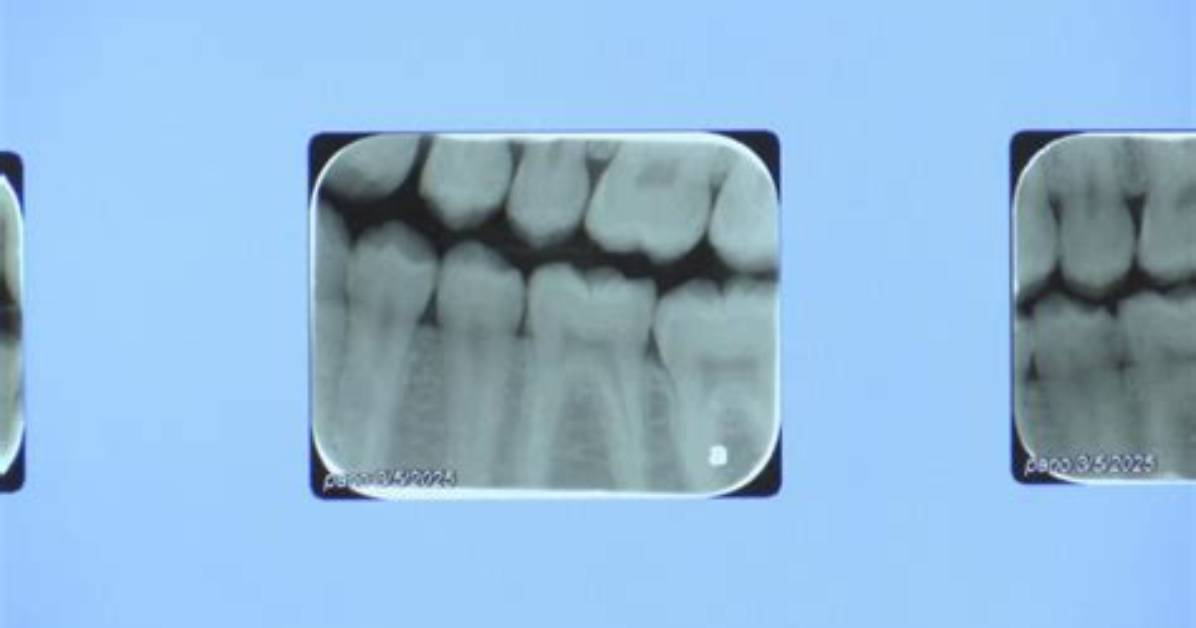
Tooth decay does not appear overnight; it operates on a stealthy, multi-stage timeline. During the initial six to twelve months of fluoride cessation, clinical changes present as sub-surface enamel demineralization. Clinicians spot these as opaque "white spot" lesions along the gumline of developing primary and secondary teeth. These chalky spots signify where minerals like calcium and phosphate have dissolved from the hydroxyapatite matrix under acidic biofilm attacks, without ambient fluoride ions present to spur remineralization into harder fluorapatite.
Pediatric tooth decay clinics across the county are already registering shifts during routine biannual recalls. Hygienists note that children who previously presented with zero active caries are now developing marginal demineralization between tight contact points. While rampant cavitation, actual structural holes in the teeth, typically takes eighteen to thirty-six months to manifest on bitewing radiographs, the biological trajectory is well underway. Without ambient systemic fluoride bathing teeth through local water, saliva loses a significant portion of its self-repair capacity.

