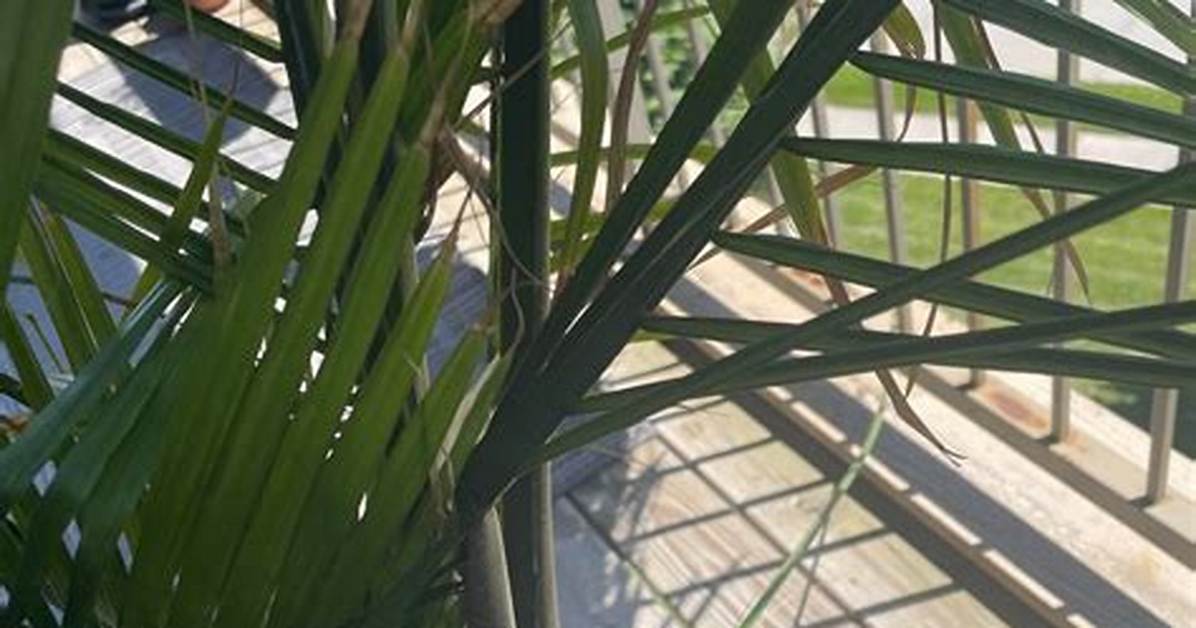
Misdiagnosing the cause of a bending frond often proves fatal. Because both drowned roots and parched roots fail to deliver water to the canopy, overwatering and underwatering produce remarkably similar wilting symptoms above the soil line.
| Visual & Tactile Cue | Potting Soil Condition | Underlying Cause | Immediate Correction |
|---|---|---|---|
| Brown, crisp leaflet tips with brittle, arching stems | Dusty, pulled away from pot edge, light overall mass | Severe Underwatering | Bottom-soak the root ball in tepid water for 45 minutes |
| Soft, limp petioles collapsing near base; dull yellow leaflets | Cold, soggy, marsh-like odor beneath surface | Hypoxic Root Rot | Unpot, excise black mushy roots, repot in aerated media |
| Elongated, thin stems drooping toward windows; pale foliage | Dries very slowly over 14, 21 days | Light Starvation (Etiolation) | Relocate directly adjacent to an East or South-facing window |
| Speckled bronze foliage with fine webbing along the rachis | Variable; typically dry indoor winter conditions | Spider Mite Attack | Wash foliage thoroughly; apply cold-pressed neem or insecticidal soap |
If the pot feels featherweight and the root ball has shrunken away from the container rim, the issue is clear: prolonged drought has collapsed the cell walls. But if the pot feels like a heavy block of concrete and the base of the bent stem shows black water-soaking, excess moisture has suffocated the root tips. Those damaged roots can no longer take up water, ironically starving the crown above.

