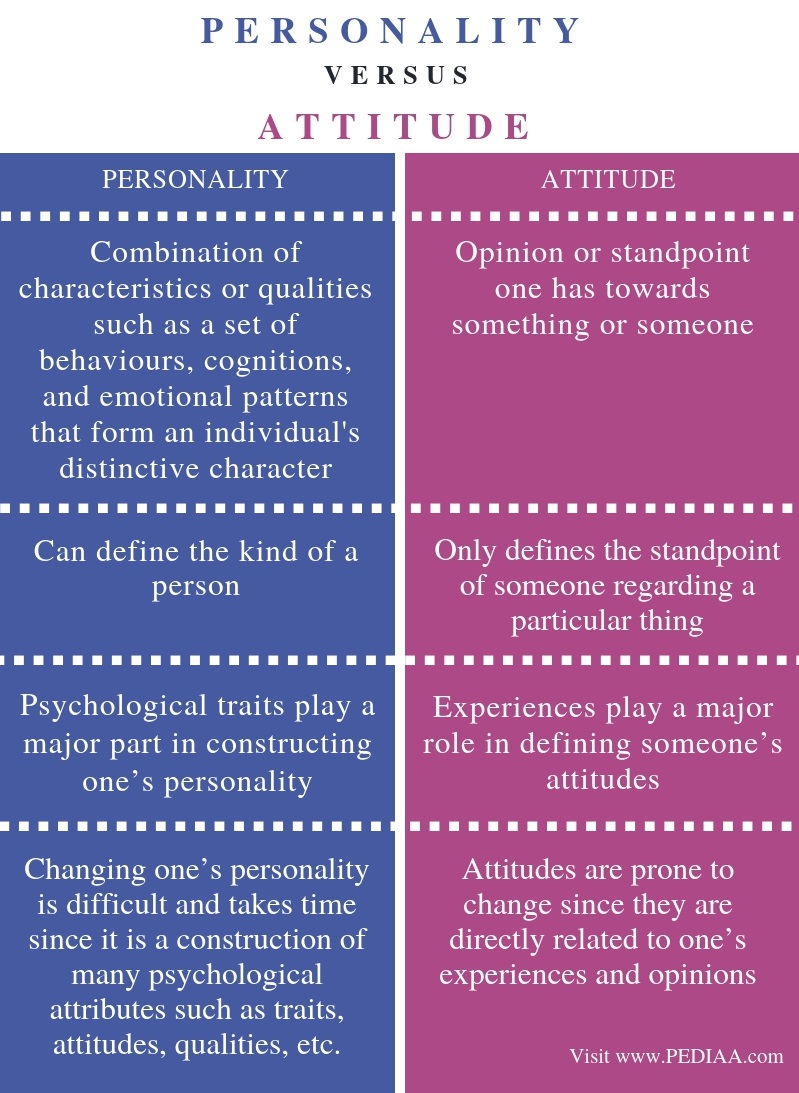
As computational models become more adept at anticipating human actions, the boundary between stable character traits and responsive attitudes offers a practical roadmap for personal agency. People cannot simply choose their genetic lottery, their baseline neurochemistry, or their early developmental environment. These factors construct an enduring behavioral disposition that quietly shapes how the world is experienced.
Recognizing the difference between these foundational traits and the attitudes built upon them breaks the illusion of automatic behavior. A sharp reaction to a new tool, a foreign idea, or an unfamiliar political proposal is not an unchangeable identity. It is an evaluative attitude, a cognitive and emotional hypothesis subject to revision. While underlying personality traits will always influence what catches our attention and stirs our anxieties, our conscious attitudes remain entirely open to inquiry, evidence, and change.

