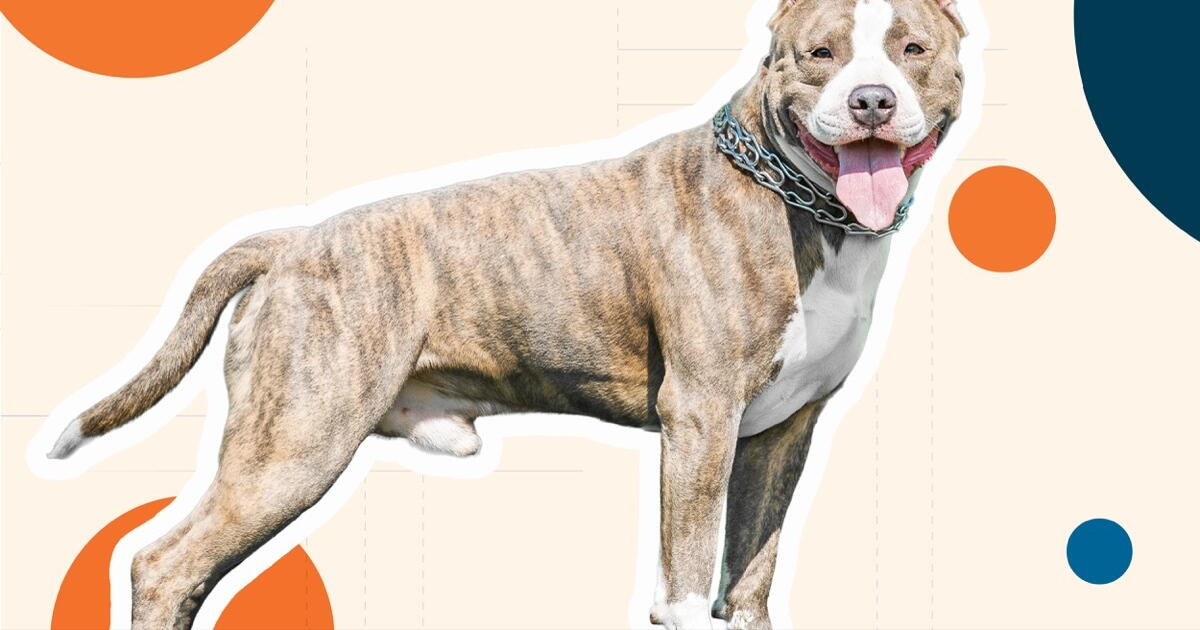
Breeding dogs for unnatural mass carries immediate physiological penalties. A functional canine skeletal frame cannot abruptly double its structural load over three or four generations without mechanical failure. Dogs subjected to these extreme weight marketing traps routinely suffer from severe hip dysplasia, elbow incongruity, and juvenile arthritis before reaching their second birthdays.
The canine stifle joint suffers the brunt of this mass. The cranial cruciate ligament (CCL), the canine equivalent of the human ACL, is designed to stabilize an agile, moderate-weight knee. Forcing that ligament to stabilize an improperly angulated, 95-pound frame causes chronic degradation. Orthopedic repair via Tibial Plateau Leveling Osteotomy (TPLO) runs between $3,500 and $6,500 per joint. Owners who thought they bought a healthy powerhouse often find themselves rationing pain management medication for a dog that struggles to stand at three years old.
The respiratory and cardiovascular profiles of these oversized crossbred dogs show similar strain. Heavy bone structures inherited from mastiff outcrosses, paired with shortened skulls favored for an intimidating profile, compress airway efficiency. The high-drive, heat-tolerant, relentless engine that defines an authentic APBT is replaced by an animal prone to early heat exhaustion, elongated soft palate syndrome, and heightened vulnerability to dilated cardiomyopathy.

