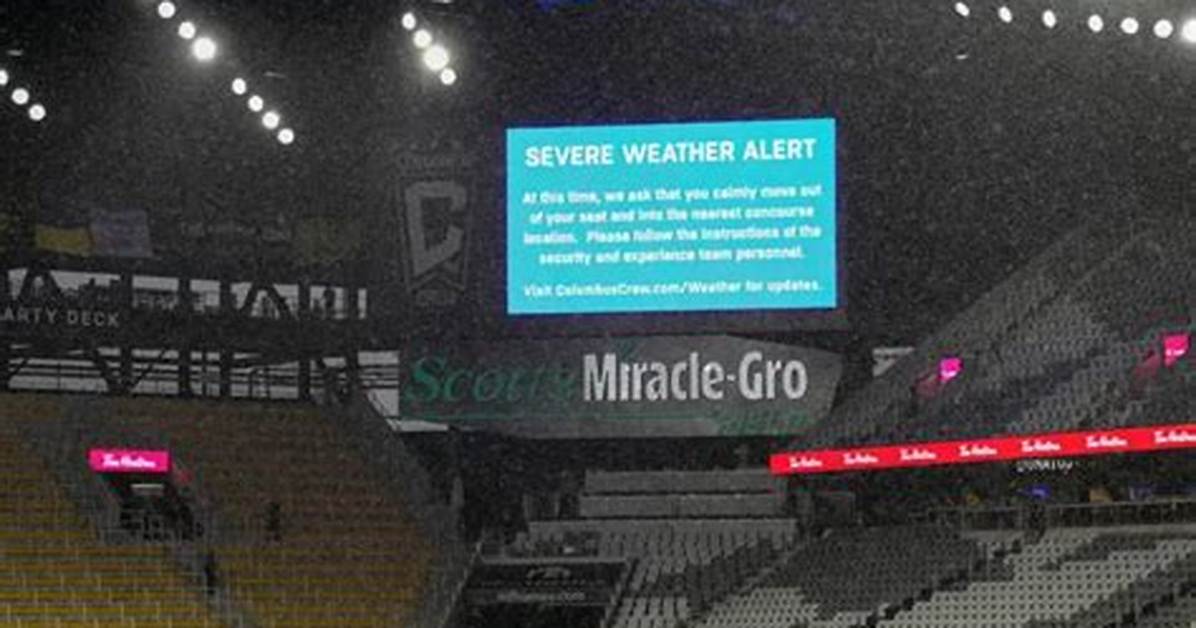
A persistent public misconception is that the covered walkways beneath the stadium luxury suites and press boxes provide adequate safety during severe weather. They do not. Crowd safety research shows that lingering in narrow stadium concourses during an emergency creates acute crush risks.
When heavy rain strikes, fans instinctively pack beneath overhangs. Within minutes, concourse corridors reach critical densities exceeding 4 to 5 people per square meter. At these levels, pedestrian flow grinds to a halt. Emergency medical personnel cannot reach fans experiencing heat exhaustion, cardiac episodes, or panic attacks. Furthermore, lightning strikes can transmit currents across metallic fixtures, open concrete slabs, and damp surfaces on outer walkways.
This dynamic also collides with the university's entry guidelines. Michigan operates a strict no-bag policy, permitting only wallets smaller than 4 x 6 x 1.5 inches, clear bags for medical needs, and factory-sealed water bottles. When gates freeze, thousands of fans stuck outside cannot bring umbrellas into the venue, as umbrellas are permanently prohibited inside the stadium. Expecting to stay dry beneath outer security checkpoints is unrealistic; fans waiting outside the gates are urged to return to vehicles rather than crowding turnstiles.

