In corporate communications, speed often breeds carelessness. An improperly addressed email or cover letter can give hiring managers and prospective clients an unfavorable first impression.
Apply these rules when writing business correspondence:
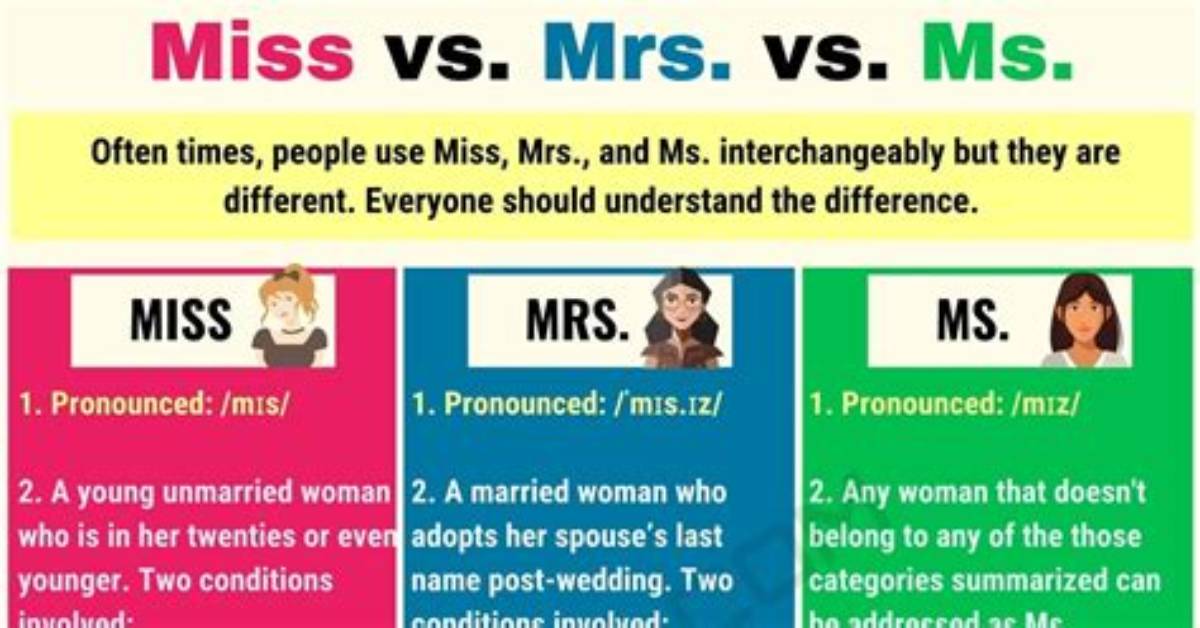
- Always write "Dear Ms. Davis:". Never guess marital status based on age, parental status, or public profiles.
- If you cannot identify the hiring manager's name, bypass honorifics entirely. Use "Dear Hiring Team:" or "Dear Selection Committee:". Avoid outdated openers like "Dear Sir or Madam:".
- Academic and Professional Titles: Medical doctors, PhD holders, military officers, and judges retain their earned titles regardless of gender. Address them as "Dr. Alvarez", "Professor Chen", or "Captain Reynolds". Earned titles always override social prefixes.
- In American English, honorifics take a period: Ms., Mrs., Mr. (Miss does not take a period because it is not an abbreviation). In British English, abbreviations that end with the same letter as the full word omit the period: Ms, Mrs, Mr.
When corresponding internally with colleagues, first-name greetings have become the norm across most industries. For external stakeholders, prospective enterprise partners, or legal contacts, starting with Dear Ms. [Last Name] establishes proper professional distance until casual dialogue is welcomed.

