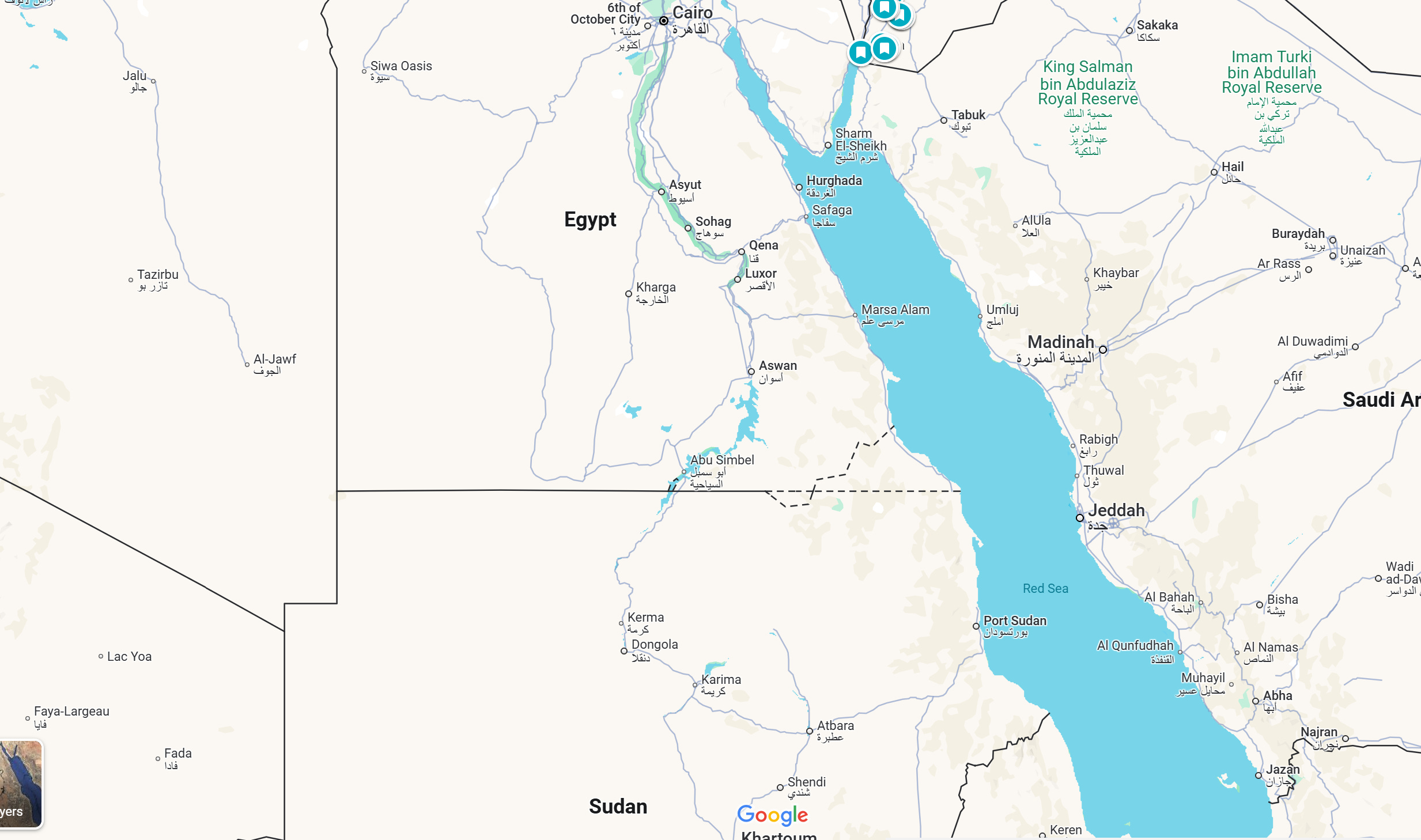
While cartographers describe Bir Tawil as completely empty, the territory is not devoid of human presence. For centuries, Ababda tribe ancestral grazing routes crossed these valleys. Camel herders still move through the wadis after rare seasonal downpours prompt sparse desert brush. These pastoralists do not identify with national borders drawn in European capitals; they cross the 22nd parallel following livestock feed and well sites.
Over the past decade, a quiet gold rush altered Bir Tawil's demographic rhythms. Artisanal miners from northern Sudan set up temporary, rough-and-tumble camps among the granite hills. Armed with cheap metal detectors, diesel generators, and rudimentary milling equipment, hundreds of prospectors dig unauthorized pits into dry riverbeds.
They operate in an institutional vacuum. Neither the Egyptian Armed Forces nor Sudanese police forces run patrols inside Bir Tawil's interior. Disputes between mining crews are settled through customary tribal councils (Urf) run by local Ababda and Bisharin elders. When supplies run dry, prospectors traverse southward toward Abu Hamad in Sudan rather than navigating the 100-mile mountain obstacle eastward to the Red Sea, cementing Bir Tawil's practical economic integration with the Nile valley rather than the coast.

