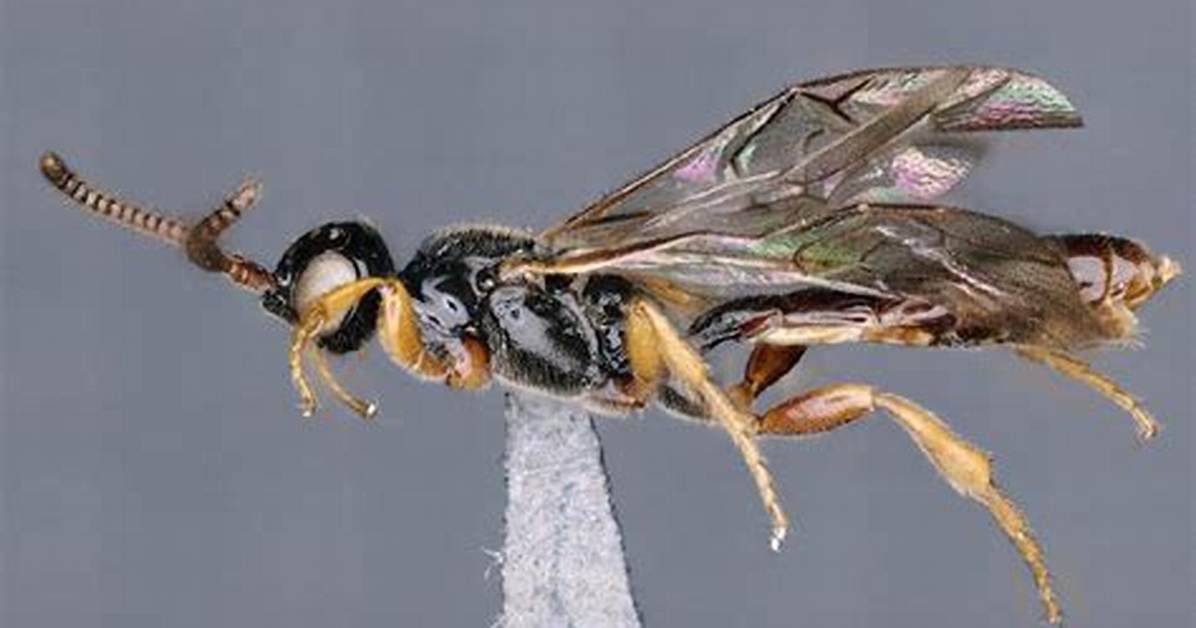
Parasitoid taxa showcase astonishing variety across the globe, but the specialized physical puncture mechanism seen here represents an extreme end of the evolutionary spectrum. The strategy requires massive energy expenditure from the mother to build both the reinforced chitin drill and the associated biochemical delivery systems.
| Reproductive Strategy | Physical Ovipositor Type | Host Fate & Survival Window | Biochemical Suppression Level |
|---|---|---|---|
| Internal Egg-Piercing (New Species) | Serrated, hardened cuticular hypodermic valve | Survives 10, 21 days while inner tissues are metabolized | Heavy: targeted neurotoxins and immune-paralyzing fluids |
| Surface Ectoparasitism | Smooth, flexible non-penetrating stylus | Survives 5, 12 days; larva feeds externally from the outside | Moderate: brief localized paralysis during surface gluing |
| Egg-in-Egg Endoparasitism | Ultra-thin microscopic needle | Dies within the embryonic stage; never reaches larval form | Minimal: host embryo lacks an active immune defense |
| Idiobiont Stinging Attacks | Thick sting apparatus with heavy venom reservoirs | Permanent coma immediately upon sting; paralyzed until eaten | Absolute: complete permanent motor neurotoxicity |
The collected metrics underscore why this discovery stands apart. In idiobiont species, the victim enters a permanent vegetative state immediately upon injection. This newly described species uses a koinobiont tactic: the caterpillar or beetle grub continues to move, scavenge, and feed. The wasp manipulates the host's endocrine system, forcing it to consume excess nutrients that end up accelerating the parasite's growth rate instead.

