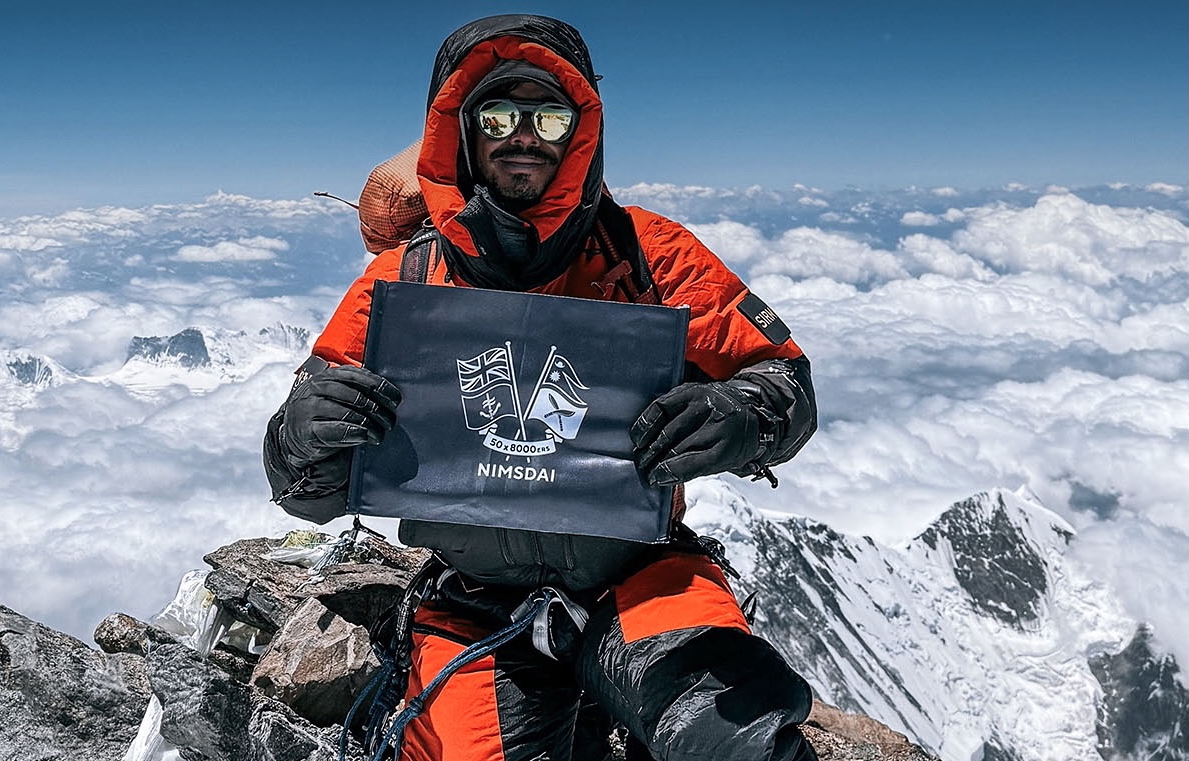
Nimsdai rose to international prominence by treating the world's most terrifying peaks as operational missions. His background in the British Special Boat Service (SBS) gave him mental resilience and logistical discipline. That military background fueled his celebrated 2019 "Project Possible," where he summited all fourteen 8,000ers in six months and six days, shattering the previous record of nearly eight years. He made the impossible look routine. He bottled oxygen, fixed ropes at breakneck speeds, and brought paying clients into extreme spaces faster than traditional alpine ethics had ever contemplated.
Yet high-speed commercial mountaineering faces growing physical friction against an unpredictable climate. Across the Karakoram, winter snowpacks now melt erratically, while mid-summer heatwaves penetrate higher elevations. Freezing levels regularly spike above 6,000 meters. Slopes that once stayed locked in permafrost now shed unpredictable layers of wet slab and serac debris. Speed tactics depend heavily on tight weather windows. When teams rush to beat storm systems or adhere to compressed seasonal schedules, terrain assessment becomes a razor-thin calculation. Even world-class experience cannot overcome structural snow failure.

