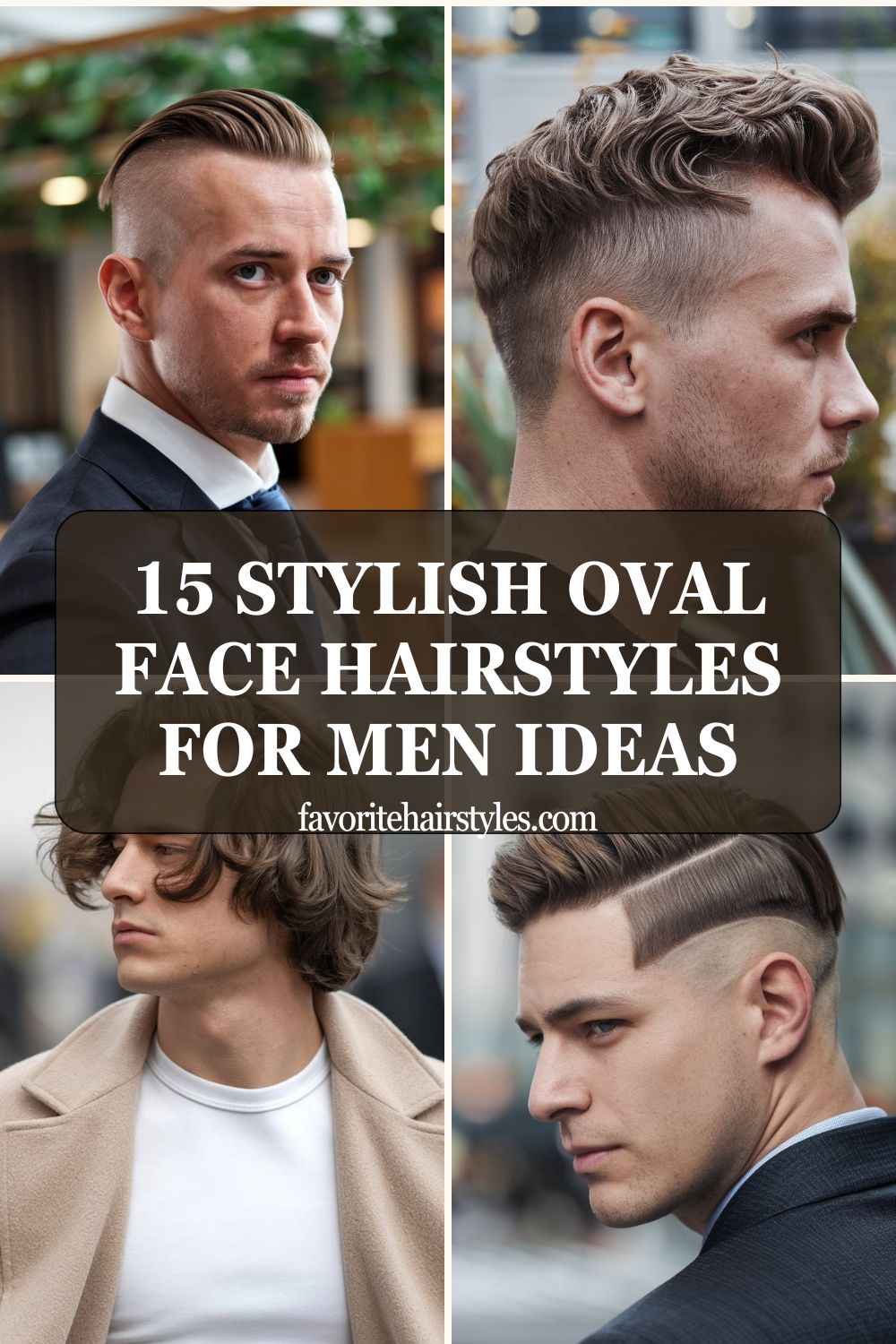
Preventing unwanted elongation requires understanding vertical optical illusions. Hair is a structural frame. When the frame is excessively tall and pinched at the sides, the interior portrait feels narrow and stretched. For an oval face, adding two inches of swept-back height via a quiff hairstyle works because the natural width of the cheekbones anchors the vertical lift. The eye perceives balance.
On an oblong face, that same two-inch lift turns into an aesthetic liability. Barbers control this dynamic through weight lines, the exact points where hair transitions from short clipper work to textured length. Placing the weight line high above the parietal ridge narrows the head. Dropping the weight line slightly lower, around the temples, builds visual mass across the center of the face.
Fringe styling serves as the quickest mechanical fix for an elongated profile. By sweeping hair forward or allowing textured pieces to break across the forehead, you artificially lower the hairline. Cutting off two inches of exposed forehead shortens the visible vertical third of the face. It re-establishes a 1.5-to-1 ratio, shifting an oblong profile back toward the symmetry of an oval canvas.

