The Game Boy's hardware specifications imposed brutal discipline on early script translation. In the original Japanese code, strings allocated five characters for names, because five katakana glyphs can express substantial narrative information. English text strings required significantly more space to convey identical ideas. When Nintendo of America’s localization team tackled Red and Blue ahead of their September 1998 North American debut, memory constraints pushed them against severe storage boundaries.
Names could not exceed 7 to 10 characters across various user interface fields. That constraint forged the identity of Generation 1 localized names. The design team had to scrap direct phonetic mappings. Monsters received punchy compound titles that married appearance and natural elements: Hitmonchan and Hitmonlee emerged as localized tributes to Jackie Chan and Bruce Lee, replacing the Japanese tributes to boxer Hiroyuki Ebihara (Ebiwalar) and kickboxer Tadashi Sawamura (Sawamular).
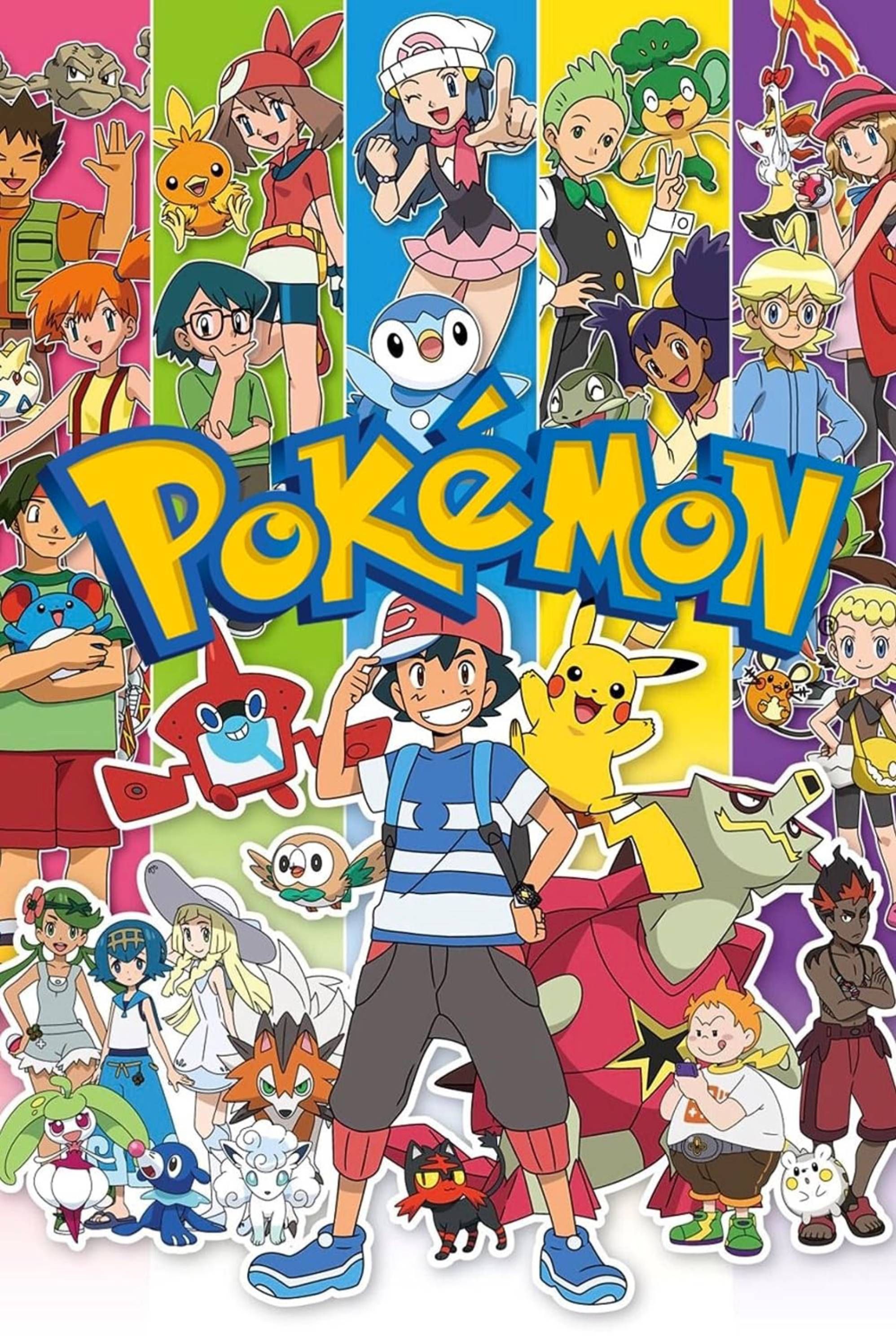
Trainer monikers experienced identical pressures. The protagonist, known to Japanese audiences as Satoshi, named directly after creator Satoshi Tajiri, became Ash Ketchum in the West, establishing a phonetic hook to the brand's commercial tagline. His counterpart Shigeru, named after legendary designer Shigeru Miyamoto, turned into Gary Oak. Early rival default naming history shows that Game Freak provided simple, expressive presets on cartridges: Red, Ash, and Jack stood on one side; Blue, Gary, and John sat on the other.
Off-line cartridges had no internet connectivity, meaning players could label rivals whatever crude insult crossed their minds. The game’s code did not care. The narrative simply processed whatever string the player punched into the character grid, yielding famously profane dialogue boxes across millions of handheld screens.

