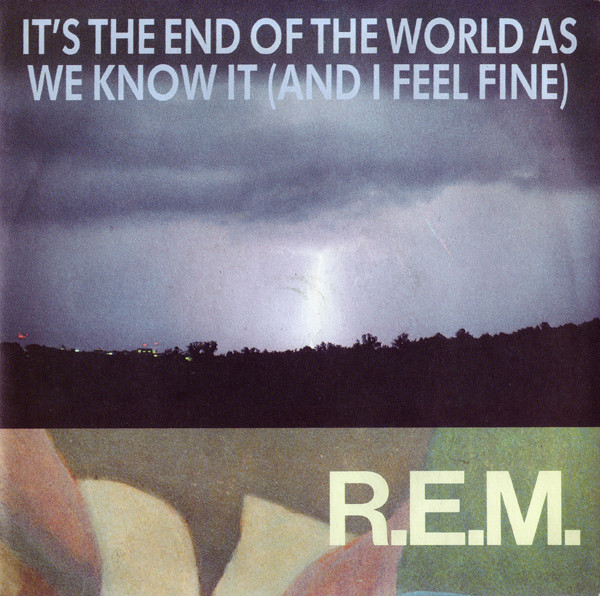
In spring 1987, R.E.M. entered Sound Emporium Studios in Nashville with co-producer Scott Litt. The band was on the verge of commercial dominance. Having established an untouchable critical reputation through their early run on Athens-based indie label I.R.S. Records, the four-piece aimed for greater dynamic punch. They wanted an aggressive record that hit harder than the jangly college-rock textures of their early releases.
The track’s harmonic skeleton originated two years earlier under the title "Bad Day," an unfinished sketch the band shelved during the Lifes Rich Pageant sessions. Guitarist Peter Buck picked up the abandoned progression, stripping out its slower cadence and replacing it with an abrasive, driving attack. The definitive Peter Buck guitar riff, a churning acoustic-electric hybrid played with relentless percussive rhythm, locked instantly into Bill Berry’s breakneck snare pattern.
That kinetic velocity became the backbone of the Document album 1987 tracklist. Placed as the sixth song on side one, it contrasted the slower, politically charged funk of "The One I Love" and the industrial clatter of "Finest Worksong." Producer Scott Litt pushed the band to record the basic rhythm tracks live in the room, capturing a manic, unpolished speed that modern digital production rarely replicates.

