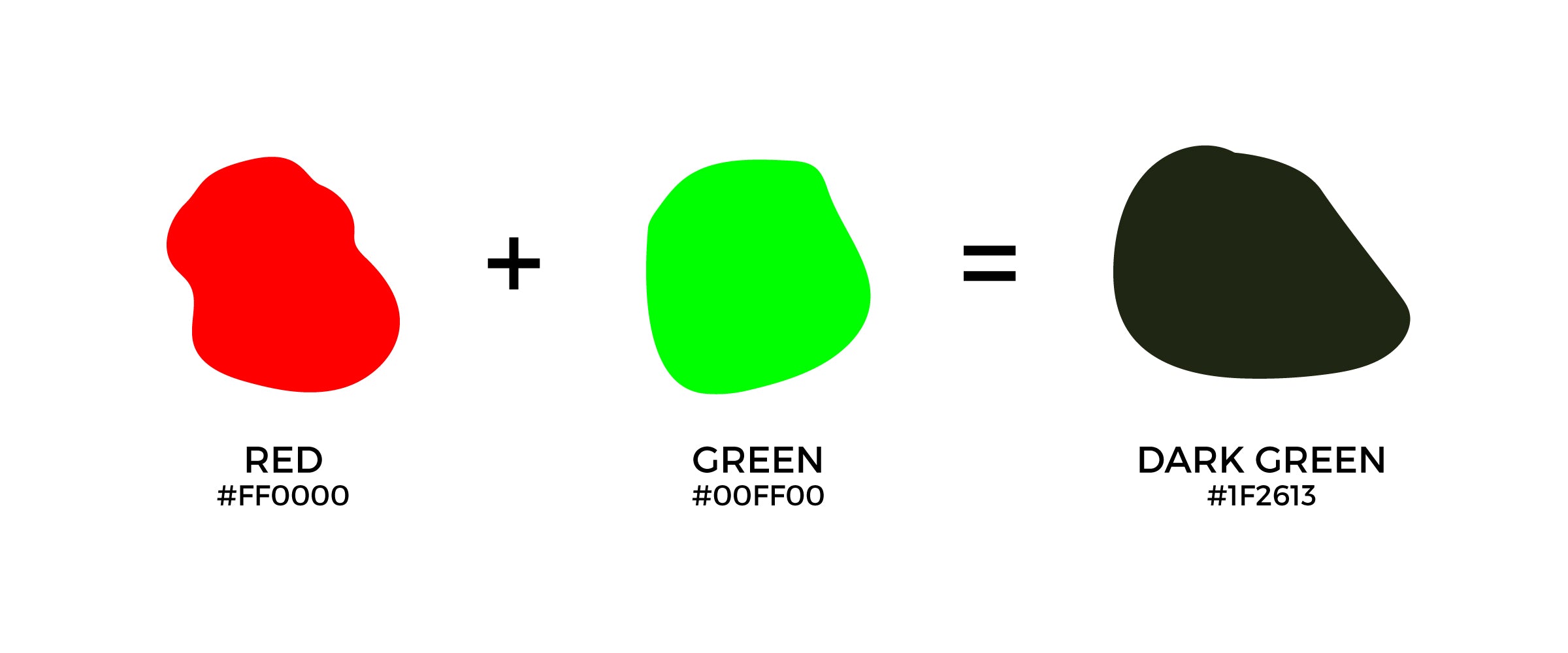
Q1: Why do some mixing guides claim red and green make black?
A1: When two intensely saturated, perfectly matched complementary pigments like Quinacridone Red and Phthalo Green mix in precise stoichiometric proportions, they absorb nearly 100 percent of visible light wavelengths. The human eye perceives this near-complete absence of reflected light as a rich, chromatic black rather than brown.
Q2: Can I get yellow paint by mixing any two colors together?
A2: No. Yellow is a primary color in the subtractive RYB system. You cannot create pure yellow by mixing other paint pigments together. In physical mediums, yellow must be purchased as a dedicated pigment derived from minerals like cadmium, bismuth, or synthetic arylide compounds.
Q3: How do I keep my paint from turning into a muddy brown by accident?
A3: Muddy mixtures occur when paints containing three or more primary pigments mix unintentionally. To keep colors vibrant, check the manufacturer's pigment code on the tube. Avoid mixing multi-pigment greens with reds that carry strong secondary undertones, and clean your brush thoroughly between applications.

