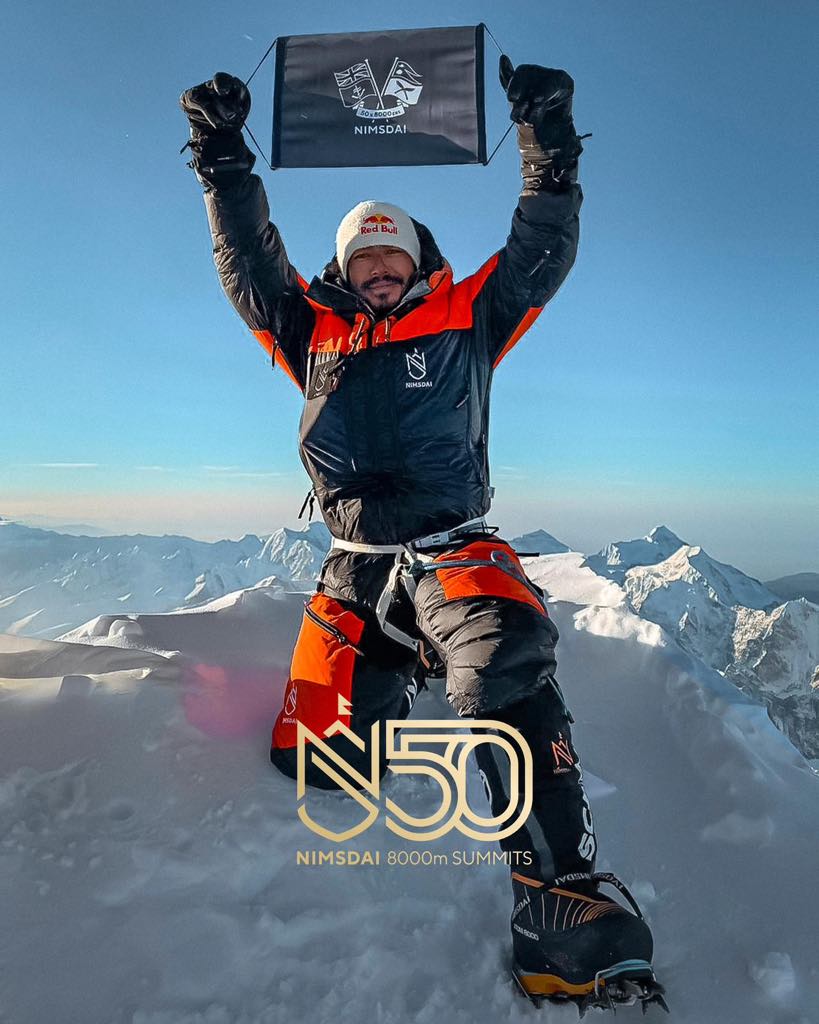
For over a century, high-altitude expedition narratives followed a colonial format: Western mountaineers wrote books and received medals, while Sherpas were relegated to unnamed support staff in expedition footnotes. Purja confronted that hierarchy directly.
Through his guiding outfit, Elite Exped, he built a commercial enterprise owned, operated, and staffed by Nepalese professionals. He charged premium prices, demanded world-class compensation for his climbing fixers, and used his social media following of millions to market his staff as premier athletes in their own right. If Western operators could monetize alpine tourism, he argued, indigenous Himalayan climbers should own the industry outright.
The approach generated friction. Purists often balked at his commercialism, his reliance on helicopters to leapfrog between base camps, and the heavy commercial footprint his expeditions left on popular routes. Purja dismissed the traditionalist gatekeeping. He pointed to safety records, client success rates, and the undeniable transfer of wealth into local climbing communities as proof that his operational model worked.

