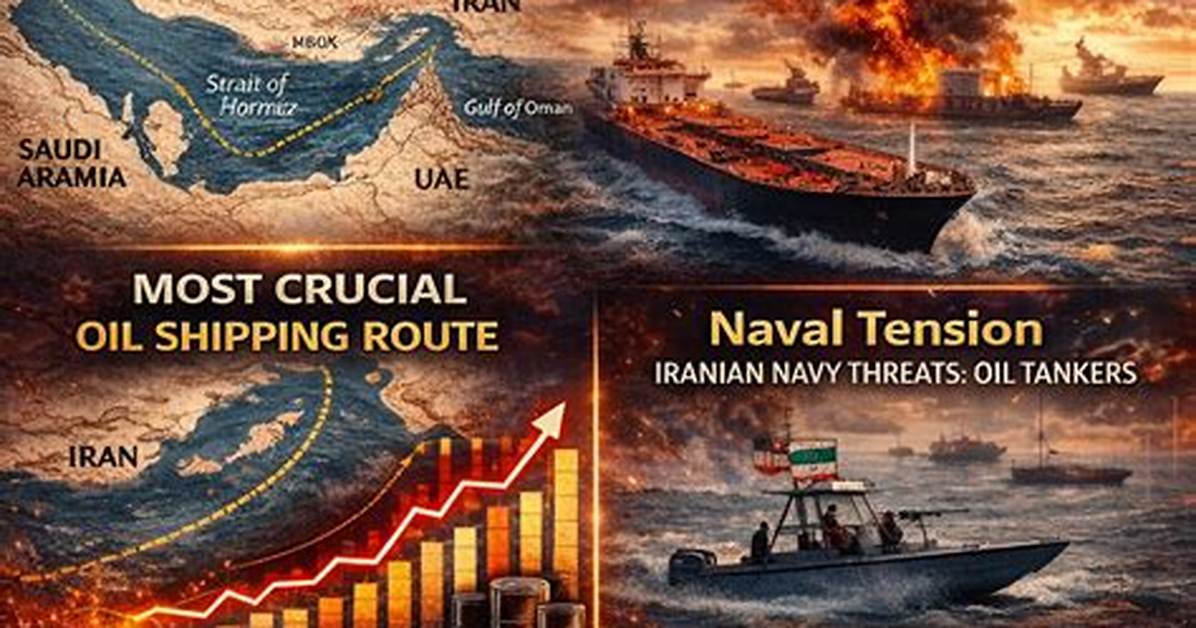
The operational resilience of Hormuz LNG transits during September demonstrated that global supply chains can absorb geopolitical shock when incentives align. Importers absorbed immense insurance surcharges, navies maintained defensive corridors, and regional forces calibrated their attacks to avoid an outright global economic blockade.
Yet this commercial balance remains precarious. The evacuation of forward-deployed bombers from allied bases, paired with repeated tanker attacks, underscores that the underlying conflict is unresolved. As Washington and Tehran continue exchanging diplomatic terms while trading tactical blows, the Persian Gulf maritime corridor operates on borrowed stability. A single uncontained strike on a loaded LNG carrier could quickly end the transit volumes that defied this conflict from its very beginning.

