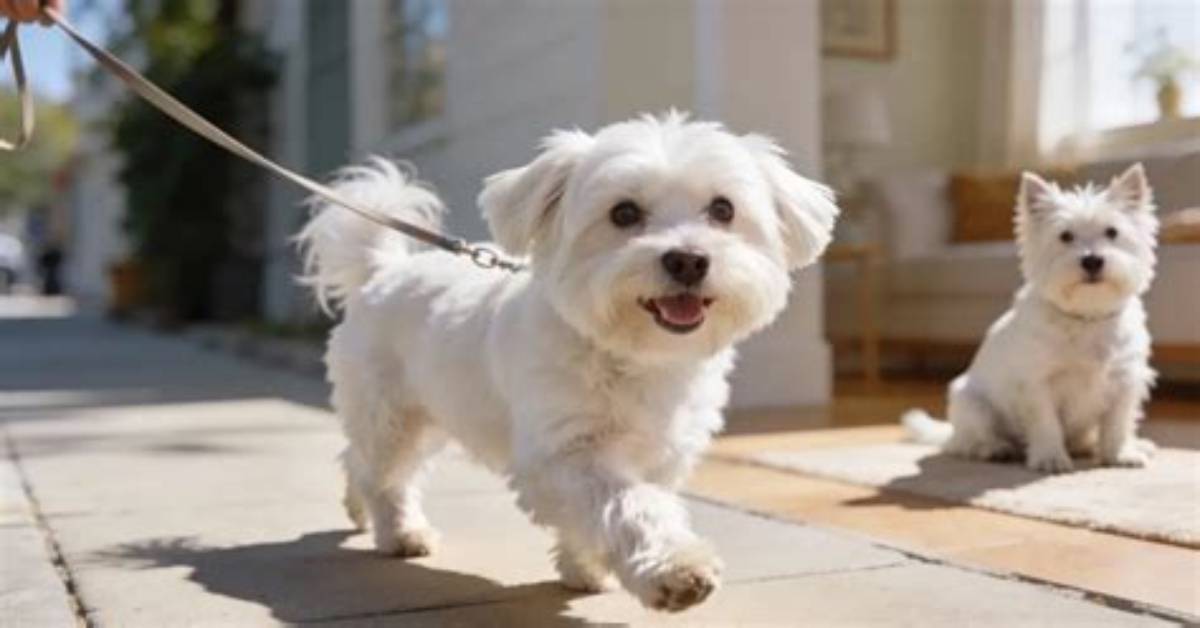
Excessive tear overflow, clinically termed epiphora in dogs, is rarely a random event. Toy breeds have been bred over centuries for compact, infant-like facial features. These exact proportions compromise the nasolacrimal drainage system. A normal canine eye produces tears to lubricate the cornea, then funnels the liquid through microscopic holes inside the eyelid margins, emptying cleanly into the nasal passages. In brachycephalic and toy skulls, several mechanical bottlenecks ruin this balance:
- Shallow Eye Sockets: Breeds with prominent, round globes leave little room for tears to pool naturally in the lacrimal lake. Fluid spills immediately over the lower eyelid onto the face.
- Blocked Tear Ducts: Punctal stenosis, imperforate lacrimal puncta, or structural kinks along the tear duct route prevent fluid drainage into the nose.
- Trichiasis and Distichiasis: Stray hairs growing along the facial fold or rogue eyelashes sprouting along the inner lid sweep directly against the wet cornea, sparking continuous reflex tearing.
- Medial Caruncular Hairs: Hairs sitting on the tiny fleshy nodule in the inside corner of the eye act as natural wicks, pulling moisture straight from the eyeball onto the facial hair.
Maltese grooming care and Bichon Frise facial hygiene must account for these mechanical realities. If a dog's drainage tube is physically pinched or occluded, no surface wipe will stop tear production. The focus shifts toward continuous moisture management and keeping facial skin entirely dry.

