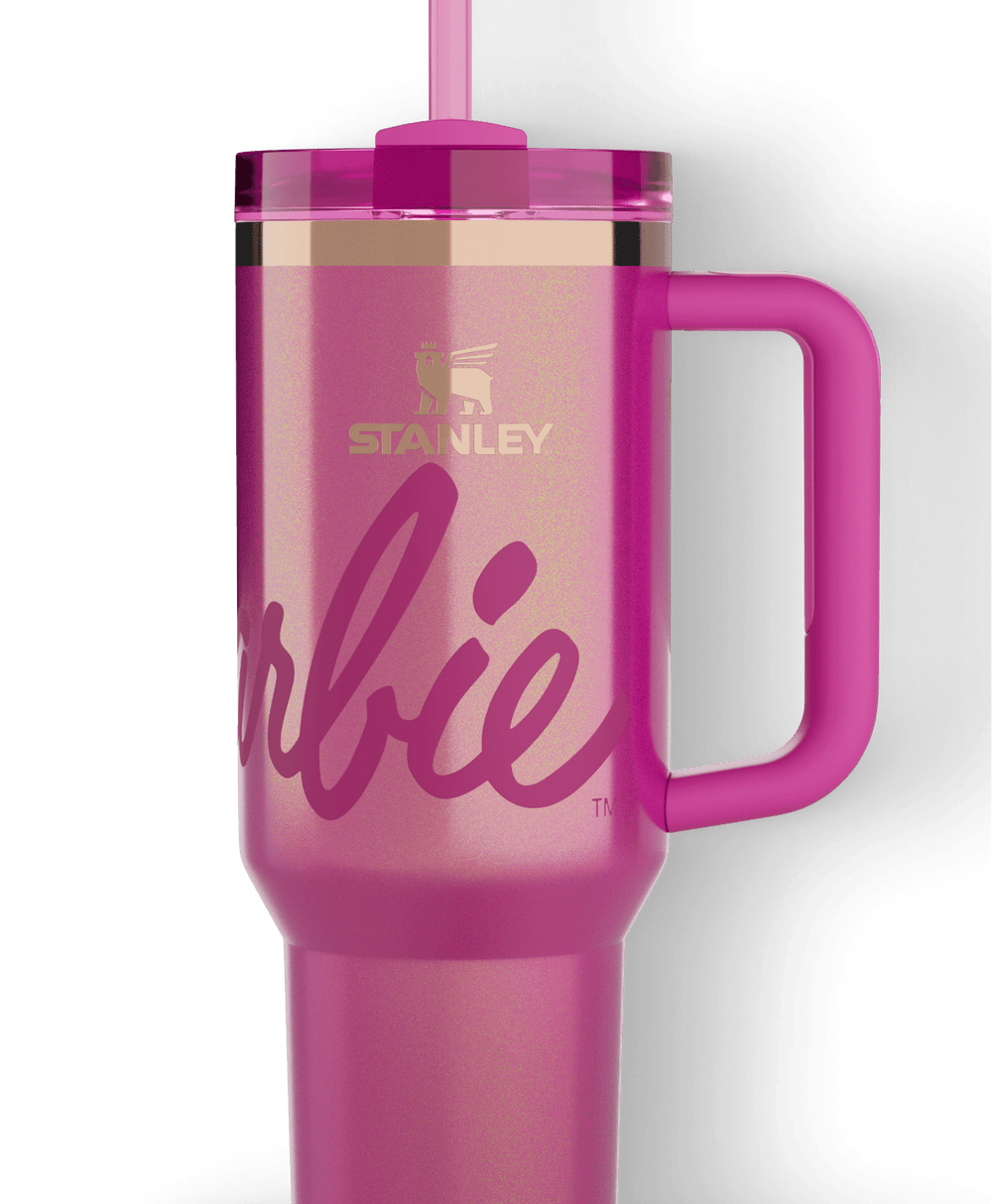
The steep gap between retail price and secondary markup created an immediate opening for counterfeit factories. Within weeks of the launch, rogue manufacturers across overseas e-commerce platforms churned out knockoff Barbie tumblers, distributing them across unverified TikTok Shop storefronts, Facebook Marketplace, and discount retail apps for $25 to $35.
These fake units look convincing on small mobile phone screens, but side-by-side inspection reveals glaring quality and safety flaws. Below are the primary checkpoints verified collectors use to separate authentic production models from unauthorized replicas:
- The FlowState Lid Construction: Authentic Stanley lids utilize crystal-clear, heavy-duty BPA-free Tritan plastic with clean splash-resistant gaskets. Counterfeits use brittle, cloudier plastic that creaks under pressure and leaks heavily when tilted.
- The Handle Attachment Points: Real Quenchers feature handle screws with specific hex or torx security heads embedded cleanly beneath the outer silicone mold. Knockoffs frequently show visible glue residue, uneven spacing, or generic Phillips-head hardware.
- Bottom Laser Engraving: Authentic units have crisp, clean laser etching specifying patents, manufacturing dates, recycling codes, and official Mattel copyright marks. Counterfeit bottoms show shallow, blurry stamps with misspelled words or missing regulatory icons.
- Weight and Thermal Performance: Genuine double-wall vacuum insulation creates substantial heft (roughly 1.4 pounds empty for the 40 oz model). Counterfeits weigh noticeably less because factories skimp on internal stainless steel gauges, causing ice to melt within four hours instead of lasting beyond thirty hours.
Beyond cosmetic issues, counterfeit tumblers pose real health hazards. Independent consumer testing frequently finds cheap solder containing industrial contaminants or unverified lead seals at the vacuum base of knockoff cups, bypassing strict FDA food-contact standards.

