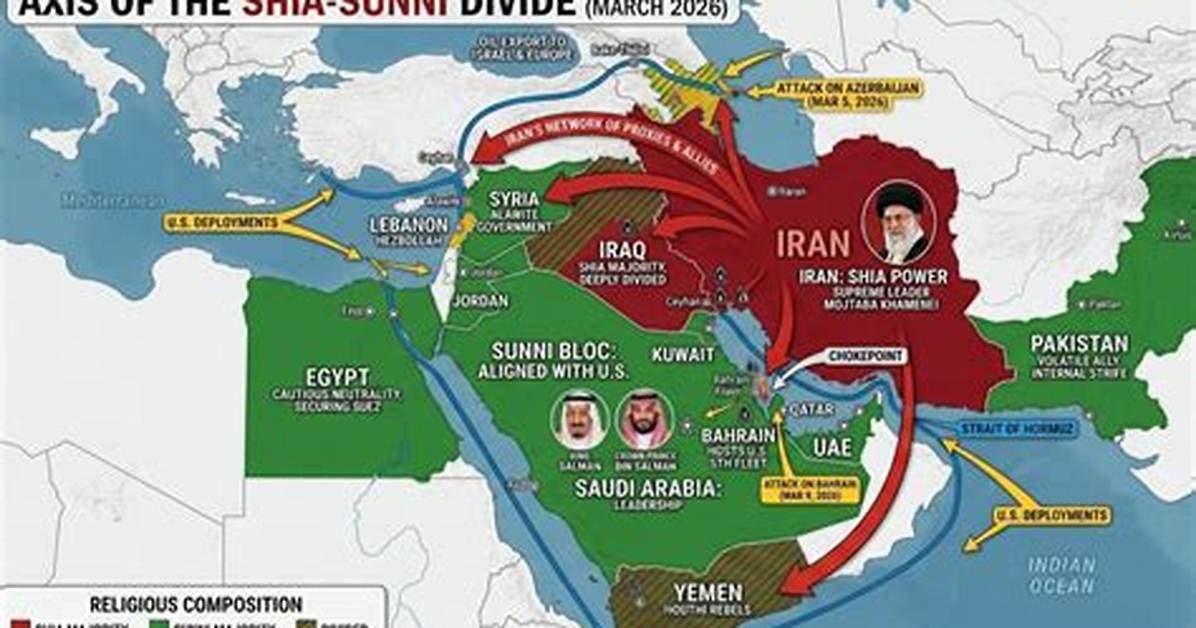
The argument that the Middle East is locked in an immutable religious civil war breaks down under scrutiny. States routinely forge cross-sectarian partnerships whenever balance-of-power calculations demand them.
The most visible example is Iran's long-term sponsorship of Hamas and Palestinian Islamic Jihad in Gaza. Both Palestinian groups are rigidly Sunni, adhering to traditional Muslim Brotherhood theology. Tehran, a Twelver Shia theocracy, has provided them with weapons, technical blueprints, and hundreds of millions of dollars in financial aid over several decades. Their shared opposition to Israel completely overrides their theological disagreements over the early caliphate.
Conversely, Azerbaijan is a secular, predominantly Shia nation. Rather than aligning with its Shia neighbor Iran, Baku maintains an extensive defense and intelligence partnership with Israel, importing advanced loitering munitions and radar systems. Tehran actively distrusts Azerbaijan, wary of ethnic Azeri separatism within its own northwestern provinces.
Diplomatic agreements continue to reshape these dynamic relationships. The Beijing-brokered diplomatic detente between Saudi Arabia and Iran demonstrated that both regional powers prioritize economic stabilization and maritime security over sectarian posturing. When regional actors see tangible advantages in trade transit, petrochemical exports, or defense guarantees, theological divisions are quickly subordinated to state interests.

