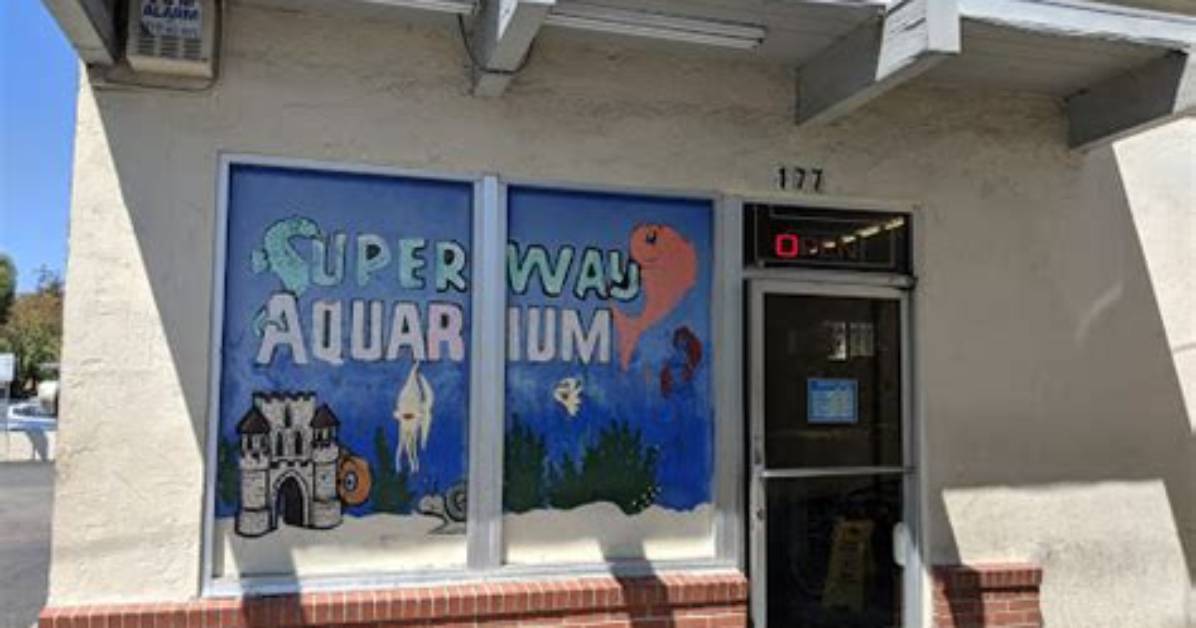
The broader context surrounding Superway mirrors structural challenges confronting family-owned pet stores nationwide. Commercial energy bills for running multiple commercial blowers, heaters, and ultraviolet sterilizers have climbed by more than 32% across California since 2022. Concurrently, air-freight shipping costs for livestock flown out of Southeast Asia and South America remain volatile.
Independent shops face continuous competitive pressure from massive corporate retail chains and cut-rate internet drop-shippers. Dry goods margins have compressed dramatically. A local fish store can rarely undercut an online warehouse on automated dosing pumps or LED fixtures. Superway survives because live fish care cannot be completely replaced by an algorithm or delivered dry in a cardboard parcel without significant transit risk.
Hobbyists who value having a brick-and-mortar hub where they can watch a fish eat, verify its swimming mechanics, and inspect its fin margins before paying understand this value proposition. The ongoing patronage of Superway is an active choice by Bay Area fishkeepers to invest their dollars into local community infrastructure rather than distant logistics hubs.

