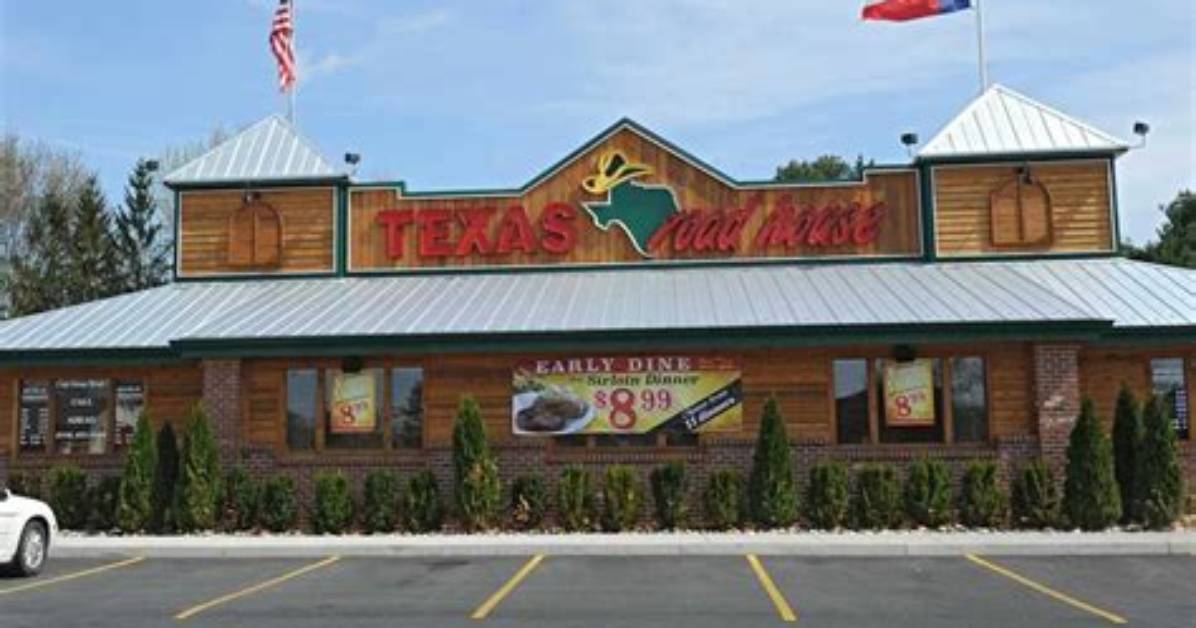
Operating a 250-seat American steakhouse in South Korea presents unique commercial real estate hurdles. Unlike fast-casual burger franchises that survive on 1,500 square feet, the standard Texas Roadhouse operational footprint requires between 5,500 and 7,500 square feet. It needs dedicated heavy ventilation for gas-fired open broilers, heavy-load refrigeration for aging beef, and specialized baking stations capable of turning out fresh rolls every five minutes.
Inside central Seoul, retail floor plates of that size command eye-watering rents, often exceeding ₩45 million to ₩65 million ($33,000, $48,000) per month in core retail districts. Hyundai Green Food initially bypassed these crushing overhead costs by anchoring stores inside its own suburban outlet complexes, where square footage was abundant and parking was free.
Corporate real estate filings and retail leasing sources confirm that Hyundai Green Food began shifting its calculus in late 2024. Suburban branch sales proved that Korean consumers embraced the concept: broad appeal across multi-generational family units, competitive price-to-portion ratios, and novelty value. Internal brand teams conducted site surveys across Jamsil, Samseong-dong, and Yeouido. The target is clear: secure a flagship presence within a major multi-use complex where Hyundai can leverage existing distribution pipelines without absorbing punitive stand-alone street retail costs.

