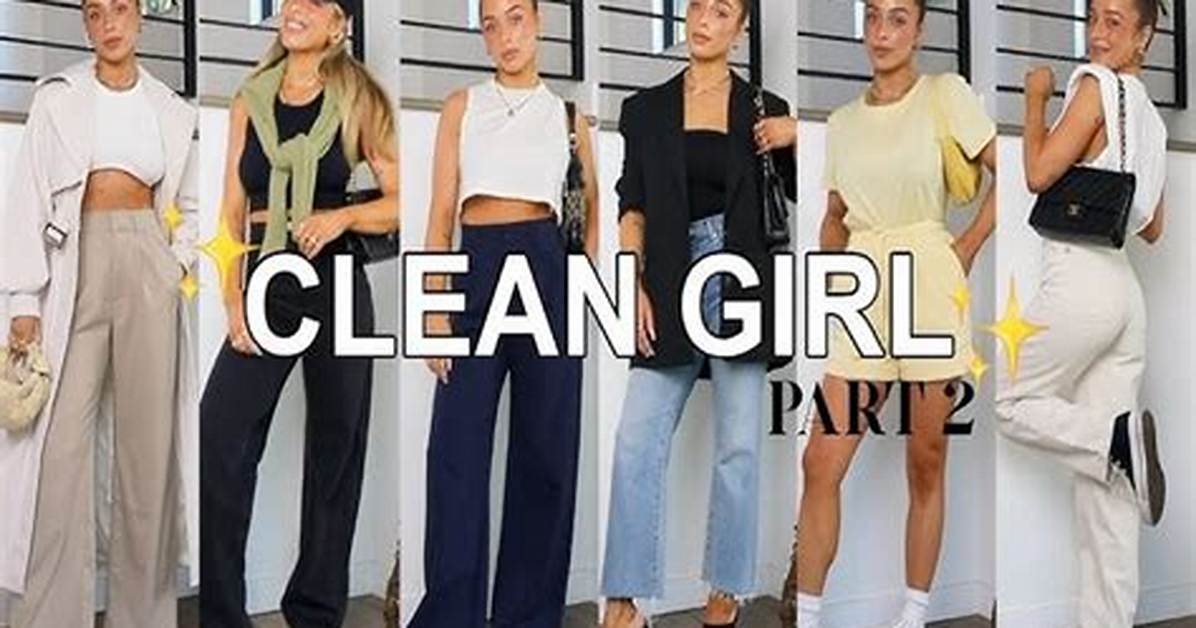
The beauty market has begun rejecting this monotonous sterility. Disillusioned consumers, drained by the unattainable demands of maintaining flawless bare skin, are shifting back toward playful, intentional cosmetic expression. What began as a backlash on internet forums has manifested as an economic realignment across major beauty retailers.
| Aesthetic Dimension | The Clean Girl Era (2021, 2024) | Beauty Maximalism (2025, 2026) |
|---|---|---|
| Complexion Standard | Glass skin, translucent serums, no visible coverage, poreless finish | Velvet matte foundations, visible blush layering, natural textures accepted |
| Primary Cost Burden | Recurring clinical facials, $80+ barrier serums, in-office aesthetics | Targeted cosmetic pigments, multi-use palettes, lower skin maintenance overhead |
| Stylistic Focus | Rigid neutrality, beige and blush tones, slicked-back middle parts | Saturated colorways, graphic eyeliner, moody lips, tactile hair textures |
| Sociological Message | Effortless genetic health, disciplined consumption, expensive minimalism | Artistic self-expression, subcultural belonging, rejection of algorithmic uniformity |
As documented by The Business of Fashion in their reporting on new beauty trends, the retail landscape has pivoted hard toward vibrant pigmentation, theatrical finishes, and multidimensional textures. Consumers grew tired of paying luxury prices for transparent products that yielded identical results. In their place, expressive makeup is surging, driven by a generation that values personal identity over algorithmic compliance.

