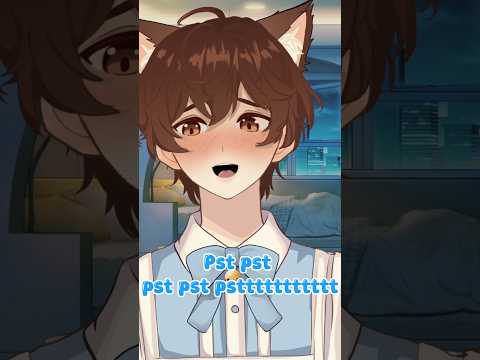
The confusion surrounding feline men stems from how Western internet platforms digested Japanese media over the past decade. In anime and manga history, the kemonomimi subculture, characters possessing animal ears and tails on an otherwise human body, spanned every conceivable demographic. Formidable warriors, brooding antiheroes, and street toughs routinely carried feline traits. Characters like Cheshire from Pandora Hearts or traditional bakeneko folklore spirits never operated within rigid feminine boundaries.
That distinction collapsed during the early 2020s streaming boom. Algorithms on platforms like TikTok and Twitch flattened feline signifiers into a punchline. Content creators discovered that wearing plush cat ears alongside oversized pastel hoodies generated massive view counts. The phrase "catboy" quickly merged with hyper-feminine crossdressing tropes, popular streaming humor, and satirical tutorials on how to become a femboy overnight.
When someone decides to wear feline accessories in daily life today, casual onlookers often assume they are participating in that specific hyper-feminine meme. Breaking away from that assumption requires an understanding of character design: animal traits are structural stylistic accents, not gender declarations.

