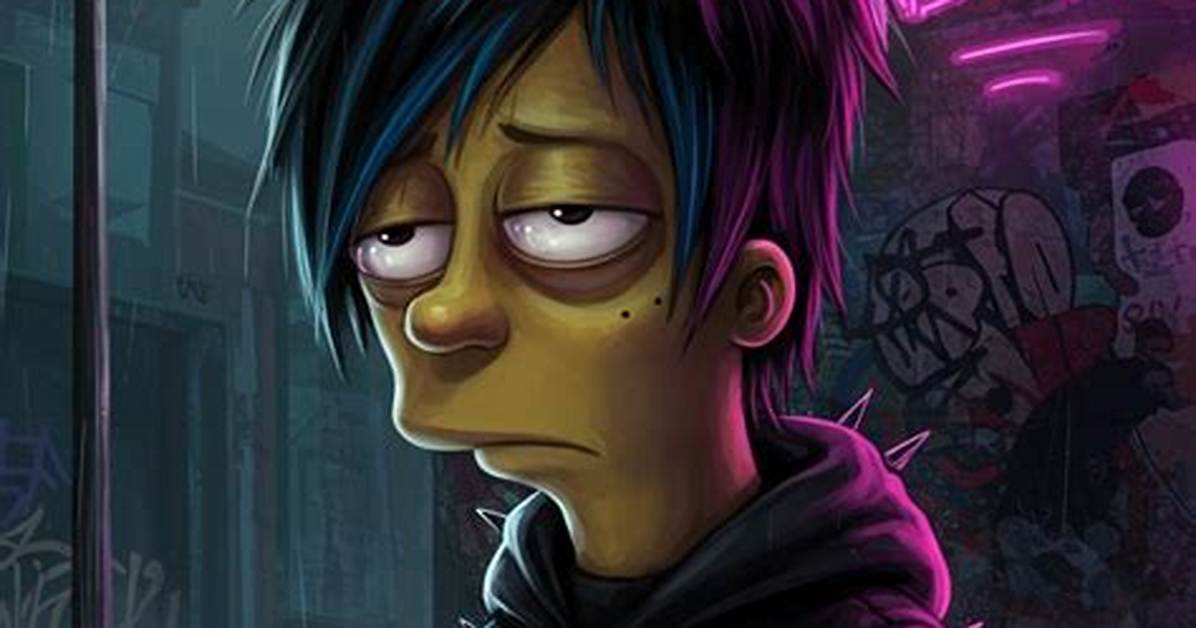
Why did this specific character absorb so much generational angst? Other animated stalwarts exist, but edits featuring Mickey Mouse or SpongeBob rarely deliver the same sincere emotional payload. The answer lies in Bart Simpson’s unique narrative composition.
Unlike contemporary cartoons that feature hyper-aware or fantastical protagonists, Bart remains grounded in a recognizable, decaying suburban reality. Springfield is mundane. Bart’s school is underfunded. His parents struggle with money and marriage tensions. He is perpetually misunderstood by teachers and authority figures. When an editor isolates a clip of Bart weeping after studying all night only to fail his exam anyway, the emotional weight is authentic. Matt Groening’s character wasn't written as a one-dimensional clown; he was conceived as an anxious kid masking his inadequacies behind chaotic misbehavior.
For Gen Z, a generation navigating economic instability, social isolation, and constant screen time, projecting sadness onto Bart functions as an emotional shield. Expressing raw grief directly on personal feeds invites scrutiny. Posting a purple-tinted, depressed bart wallpaper communicates the exact same sentiment wrapped in a layer of comfortable, nostalgic detachment. The meme transforms deeply private loneliness into an easily shareable, globally recognized code.

