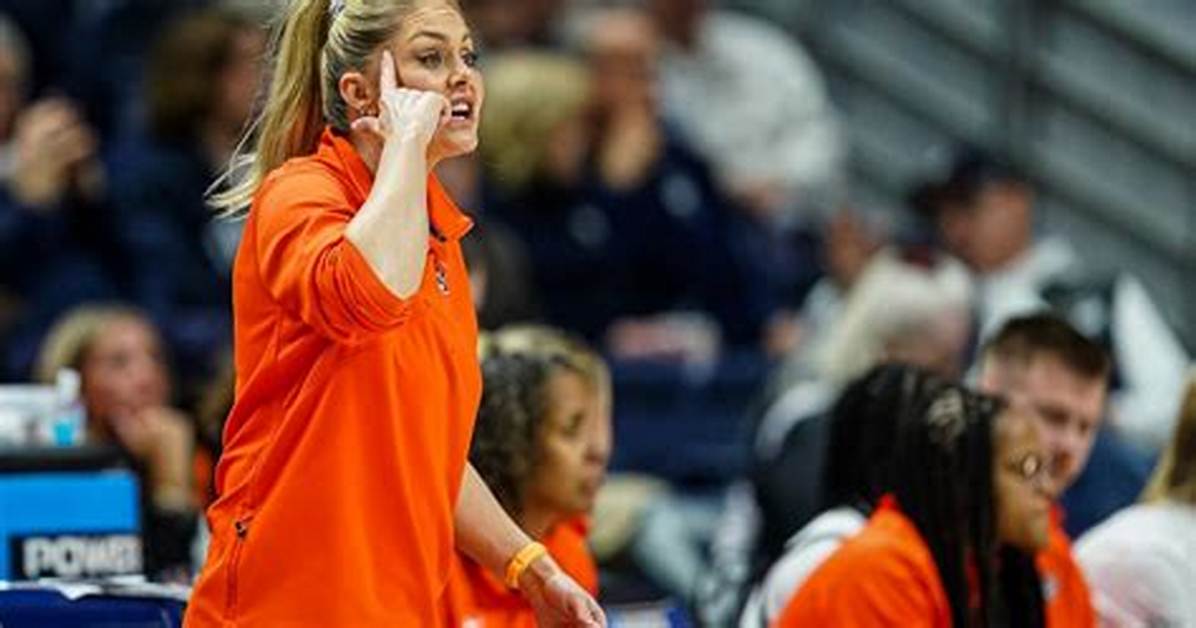
Modern women's basketball buyout clauses protect universities from poaching while guaranteeing security for coaches who produce fast turnarounds. Chad Weiberg approached Hoyt's contract extension with defensive mechanics tailored to contemporary athletic finance. The extension stretches Hoyt's tenure through the 2030, 31 season, pairing an escalating base salary with performance bonuses tied to Big 12 titles, NCAA tournament seedings, and academic progress ratings.
University contract filings indicate that Hoyt’s buyout structure is aggressively front-loaded. If an external suitor attempts to hire Hoyt away before the end of the 2026, 27 season, that institution must pay an eight-figure termination penalty. That figure drops systematically with each completed year through 2031. Conversely, if the university opts to terminate the agreement without cause, Oklahoma State guarantees roughly 75% of the remaining contract value, subject to standard duty-to-mitigate provisions.
These terms mirror the wider economic recalibration taking place across the state of Oklahoma. For comparison, regional coaches like Porter Moser at Oklahoma operate under steep buyout obligations that dictate athletic department cash reserves. Weiberg made sure Hoyt's package matched market standards for top-tier Big 12 coaches, removing any ambiguity about the university's institutional backing.

