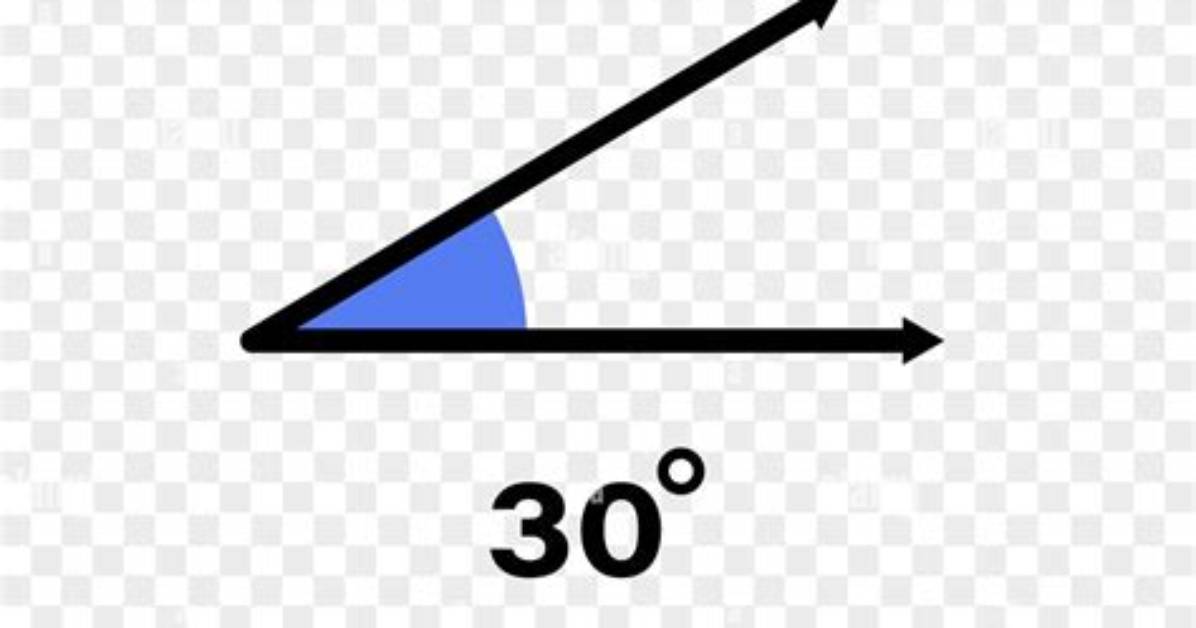
Engine dyno testing reveals that peak flow numbers at 0.600-inch lift tell only half the story. Valves spend only a fraction of their total operating cycle at peak lift; they pass through the low-lift window twice on every single combustion cycle. By re-engineering the valve job geometry to incorporate a 30-degree primary seat paired with multi-angle radiused back-cuts, engine builders report notable gains in torque throughout the mid-range.
On naturally aspirated competition engines, this modified valve job sharpens cylinder filling during the valve-overlap phase. Low-lift flow velocity drives scavenging: the escaping exhaust gas pulse pulls the fresh intake charge into the cylinder before the piston reaches top dead center. If the incoming charge meets excessive resistance around the intake valve seat, scavenging stalls.
By flattening the entry angle to 30 degrees, the curtain flow remains laminar for longer, preventing raw fuel droplets from dropping out of suspension against the combustion chamber wall. The result is a cleaner burn, reduced ignition timing requirements, and measurable improvements in brake-specific fuel consumption. For street-performance and endurance engines operating between 3,500 and 6,500 RPM, this specific geometry produces broad, usable torque bands where traditional steep-angle heads fall flat.

