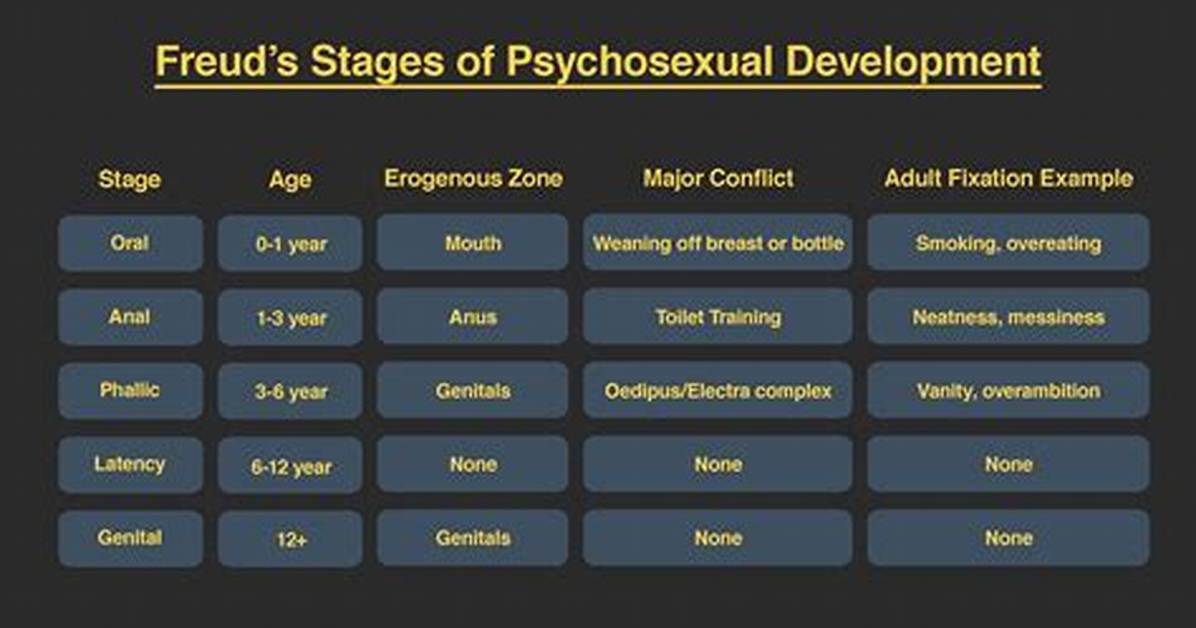
The clinical understanding of age-reversion behaviors has shifted over the past century. Psychoanalytic foundations gave way to trauma research, which eventually intersected with digital peer support networks.
| Dimension | Classical Psychoanalysis (1895, 1960s) | Trauma & Dissociation Studies (1970s, 2010s) | Digital Agere Culture (2020, 2026) |
|---|---|---|---|
| Primary Driver | Ego conflict, neurosis, and repressed sexual-developmental fixation | Structural trauma response, severe C-PTSD, and neurological dissociation | Burnout prevention, intentional self-soothing, and identity affirmation |
| Volitional Control | Entirely unconscious and unintentional | Largely involuntary; reactive to sensory or relational triggers | Predominantly elective and scheduled around daily responsibilities |
| Core Paraphernalia | None; behavior is strictly conversational or psychiatric | Incidental grounding objects (plushies, comfort garments) | Specialty adult pacifiers, teathers, curated gear, and pastel media |
| Relational Framework | Transference directed onto the treating psychoanalyst | Solitary or managed within safe clinical environments | Caregiver and little dynamic; moderated online community boards |

