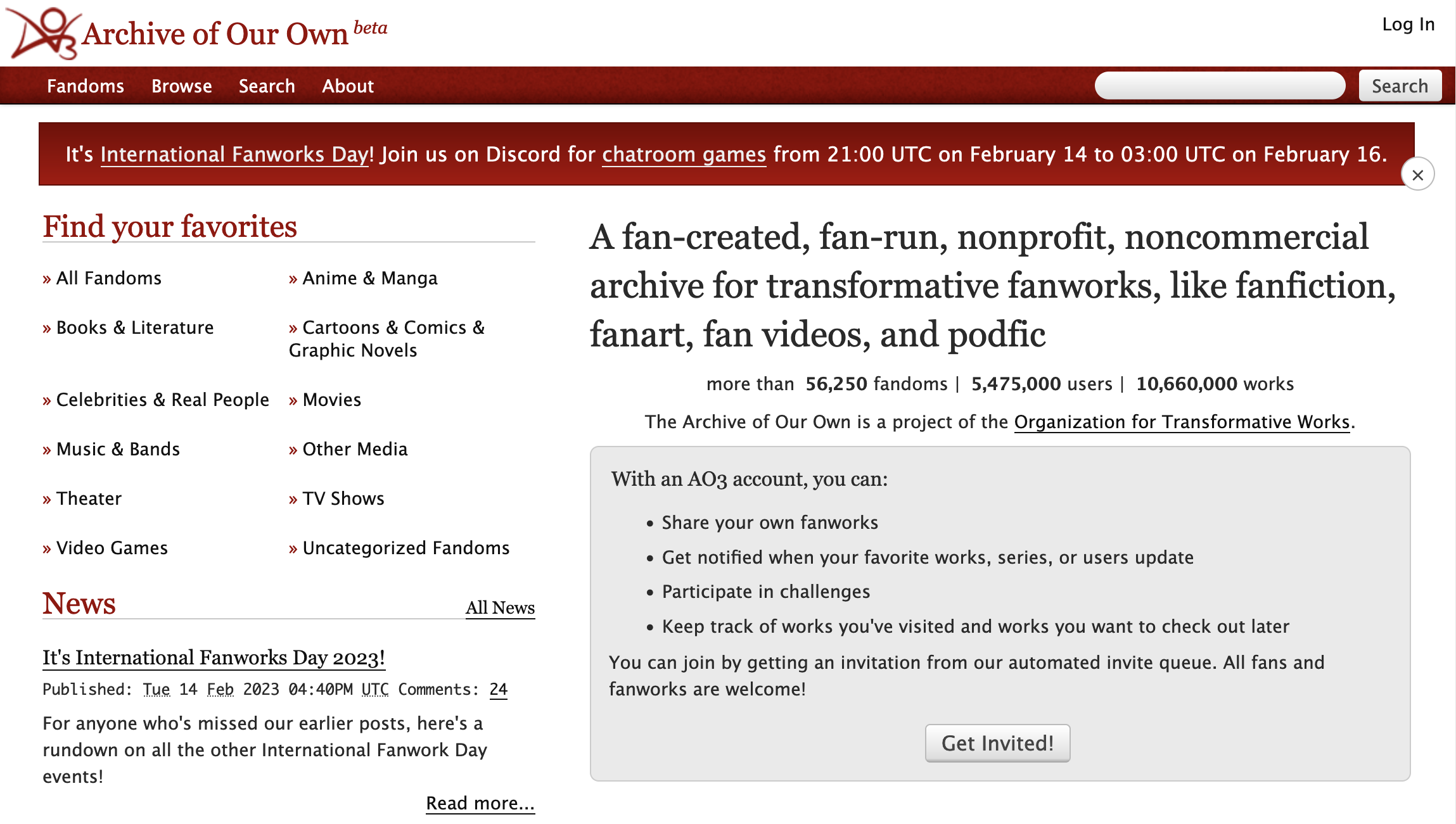
The explosion of original fiction has triggered sharp debates over platform integrity. AO3 operates as a strictly non-commercial entity funded by member donations. Its servers are preserved to defend transformative expression, not to serve as an unpaid distribution network for professional book marketing.
The conflict emerges when authors cross into commerce. AO3's Terms of Service explicitly forbid commercial solicitation. Authors cannot post links to Patreon, Ko-fi, Kickstarter, or Amazon sales pages within their author notes or profile pages. Violating this rule can result in swift intervention from AO3's Volunteer Abuse Team.
Authors have adapted through decentralized workarounds. A writer establishes an audience on AO3, builds deep reader trust through thousands of pages of free narrative, and directs curious readers to an external, self-hosted landing page. From there, readers migrate to newsletter lists, Discord servers, and print-on-demand editions. Traditional literary agencies now routinely review top-bookmarked original stories, hunting for manuscripts that come pre-packaged with verified reader enthusiasm.
For indie authors, this presents a calculated choice:
- Who Thrives on AO3: Authors writing serialized, trope-rich, adult, queer, or genre-defying narratives that traditional publishers consider too unconventional or unmarketable for retail bookstore shelves.
- Who Risks Penalties: Authors seeking direct monetized funnels, paywalled chapter advances, or commercial ad placements, which violate the platform's core governance.

