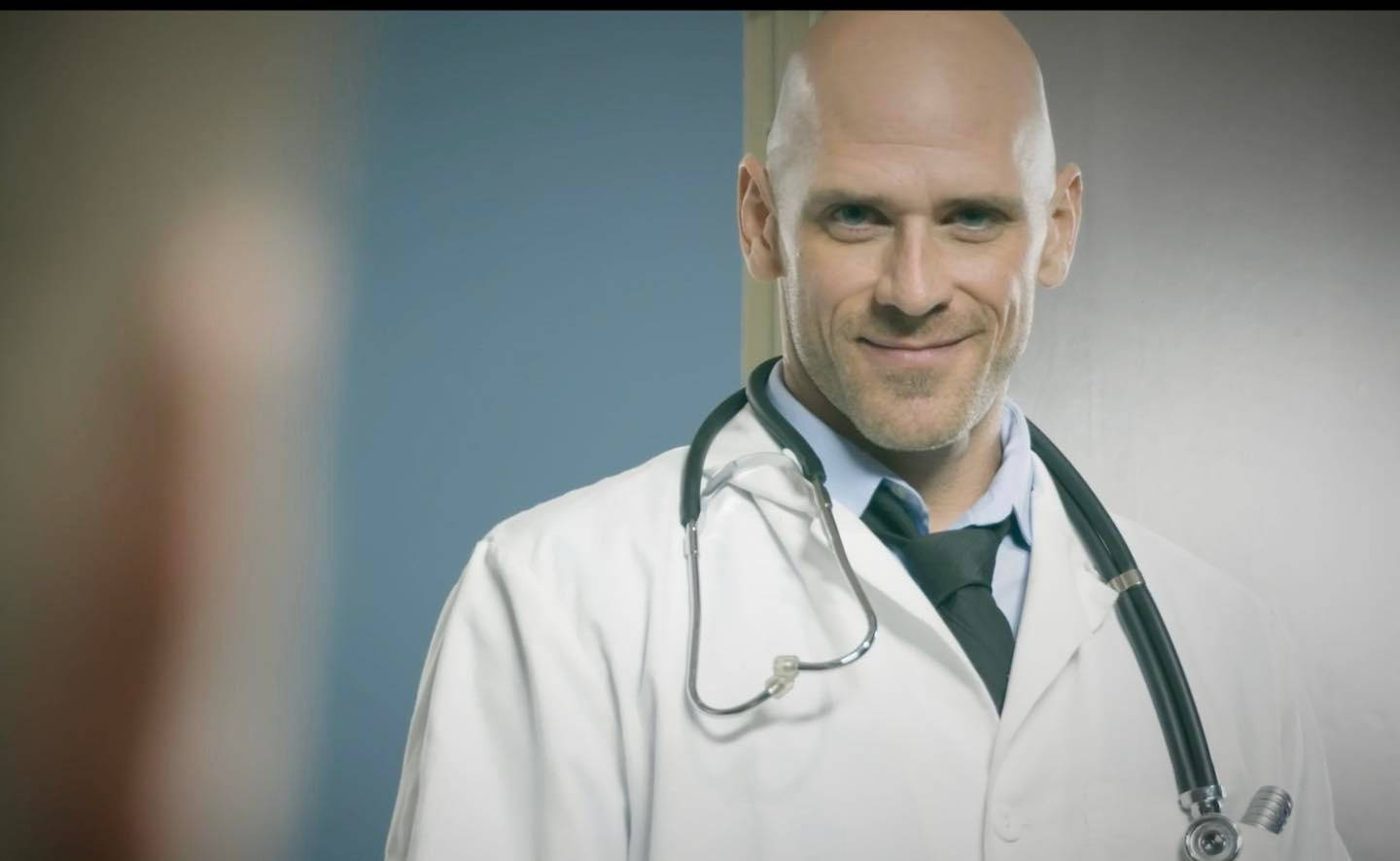
The stadium souvenir cup incident proved that image verification protocols at mid-sized institutions were dangerously frail. It also highlighted how easily bad actors could manipulate public trust using the exact same visual asset.
In March 2021, an American anti-vaccine author fell squarely into a fake doctor quote controversy. Social media trolls created a graphic featuring Sins wearing a lab coat alongside a completely fabricated quote warning the public against the safety of COVID-19 mRNA vaccines. The quote was credited to a fictitious "Dr. Jonathan Sins, Chief Medical Officer." The author retweeted the image to tens of thousands of followers, citing it as proof of medical establishment defectors, before public mockery forced a rapid deletion.
The same graphic appeared in multiple languages across international borders:
- In India, WhatsApp forwarding chains circulated his image as an Ayurvedic practitioner who had supposedly cured advanced diabetes through herbal remedies.
- In Brazil, hyper-partisan Facebook groups shared his portrait claiming he was a defecting doctor exposing hospital corruption in Brasília.
- In the United Kingdom, satirical accounts submitted his photo to evening news broadcasts for televised "shout-outs" honoring key workers during lockdown, prompting automated broadcast systems to put his face on screen before producers could intervene.
These recurring hoaxes demonstrated how visual signifiers, a lab coat, clean lighting, a calm expression, carry an implicit authority that bypasses critical thinking. The meme exposed the vulnerability of reverse image search tools and human editorial oversight alike.

