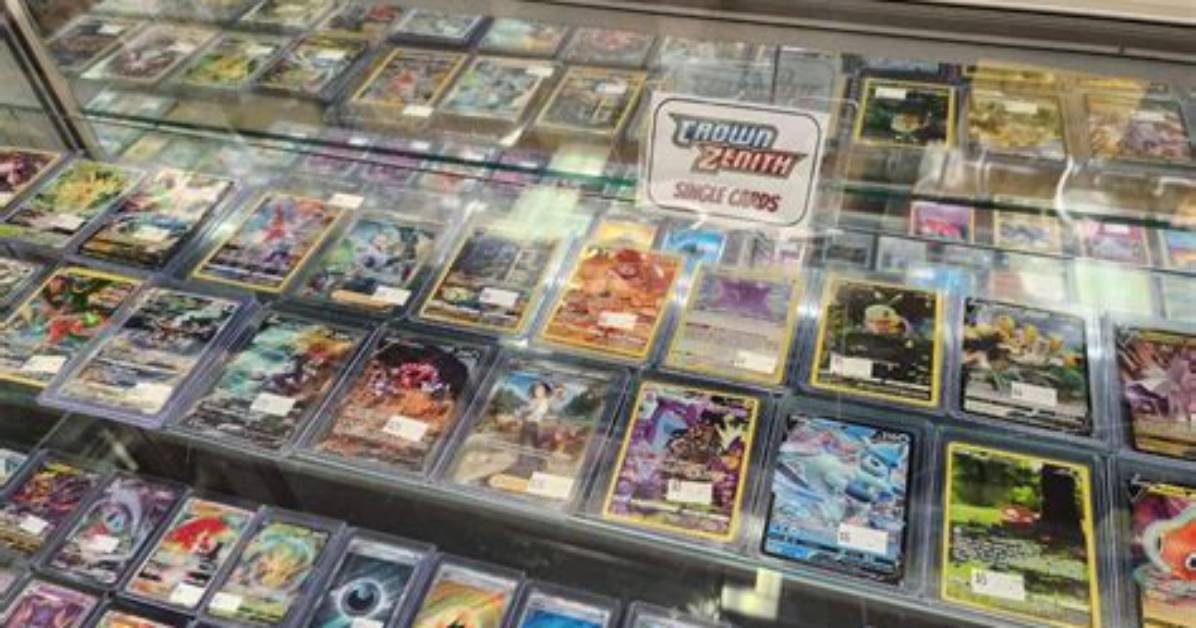
Q1: What does the term "card shop" mean today?
A1: While historically referring to retail greeting card boutiques, the term almost universally denotes a specialized hobby storefront focused on trading card games (like Magic: The Gathering and Pokémon) or sports card collectibles. These venues provide physical play space, secondary market card purchases, authentication, and retail supplies.
Q2: How do modern card shops make most of their profit?
A2: Profit centers have shifted dramatically away from sealed booster boxes toward secondary market singles, cash buybacks, card show arbitrage, and grading facilitation. Buying collections at wholesale cash rates and selling individual cards at market index values yields margins of 35% to 50%, far higher than distributor-allocated sealed product.
Q3: What is the difference between an LGS and a sports card shop?
A3: A local game store (LGS) relies on table space, running weekly organized play tournaments for community-driven games, and moving gaming accessories. A sports card shop centers on player performance metrics, autographed sports memorabilia, high-end sealed box breaks, and graded vintage cards, operating with minimal community play space.

